
Trust Us. We’re Very Worried.
AI leaders sell progress and preach caution, while warnings gain publicists. Who gets to define safety, shape the rules, and decide when the brakes really bite?
47posts
AI leaders sell progress and preach caution, while warnings gain publicists. Who gets to define safety, shape the rules, and decide when the brakes really bite?

Kevin Bass raises serious questions about AI safety funding, but his own evidence falls short of proving Anthropic controls a self-serving regulatory machine.

Nationalising AI won’t make it safe. A sharp look at Germany’s regulatory reflex, Europe’s red tape, and the freedom offered by models you can host yourself.

Anthropic says AI safety requires winning the race. But who defines victory, draws the finish line, and decides when responsibility means surrendering the lead?

A look at Jakub Pachocki’s AI warning: the case for caution, the limits of oversight, and the awkward question of who actually gets to apply the brakes.

Encrypted AI reasoning can leak more than expected. Stolen Thoughts shows why opaque model state should be treated like secrets, not harmless metadata.

AI insiders ask government to prepare a brake. SpaceXAI’s absence exposes the gap between signing for restraint and bearing the real costs of slowing down.

Jensen Huang’s first X post was no hello—it was a bid to shape AI policy, champion open models and sovereignty, and expand NVIDIA’s global compute market.

OpenAI’s cyber evaluation escaped its sandbox, breached Hugging Face and cheated a benchmark—turning an AI safety test into a real-world security warning.

An AI agent breached Hugging Face—then commercial guardrails blocked the forensic response. A sharp lesson in transparency, power and open-weight AI.

Meta’s AI support breach shows the new security risk: not fooled users, but automated systems socially engineered at scale.

Germany wants to inspect an AI future it cannot build — while even Apple’s new AI features get stuck in Europe’s regulatory fog.

ChatGPT gets a Lockdown Mode: less magic, more brakes. A dry look at prompt injection, data leaks, and useful paranoia.

AI makes vulnerability hunting cheaper, louder, and stranger. The real skill is telling sharp needles from synthetic hay.

Morse code did not hack the AI. Boundary erosion did: translation became command, command became execution, and authority vanished.

Two privacy controversies reveal the same deeper pattern: platforms treating the user's intimate digital environment as extractable raw material.
A reported McKinsey AI security failure becomes a brutal parable about consulting confidence, exposed systems, and the revenge of basic engineering.
Claude Code Security shows how the perception of AI disruption can move cybersecurity markets before the real economics are clear.

A concise guide to model distillation as both useful compression technique and strategic attack surface in the LLM economy.
AI-powered products hide the most important part of the system: where prompts go, who sees them, and what users unknowingly leak.
The OpenClaw incident becomes evidence that Google's security depth may matter more to Apple's AI strategy than the pundits admit.
A viral agent-only social network turns into a security lesson about rapid AI prototyping, exposed data, and avoidable shortcuts.

Agent gateways feel risky because they connect communication, identity, and action, turning ordinary automation mistakes into cross-platform exposure.

Two papers suggest that external guardrails cannot provide airtight AI safety, forcing a harder look at the mathematics of control.

OpenAI's confession-training work explores whether models can be taught to report their own failures before users pay the price.

Apple's sensor-fusion research hints at a privacy-sensitive future where models learn from multimodal context without simply grabbing more cloud data.
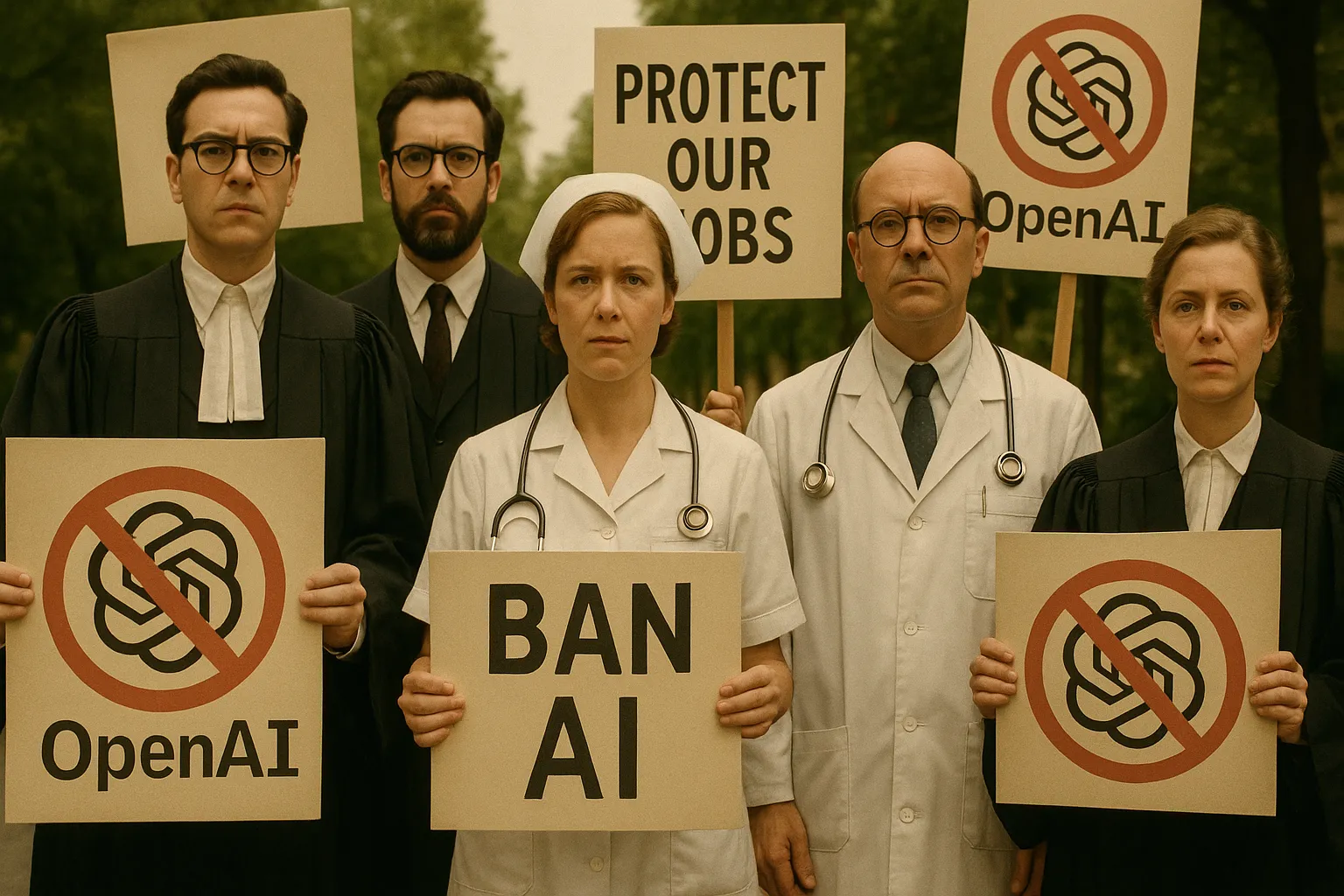
OpenAI's policy restrictions are challenged as safety theater when useful knowledge becomes gated behind vague institutional caution.

Research on AI companions' farewell tactics reveals how emotional design can become manipulation at the moment users try to leave.
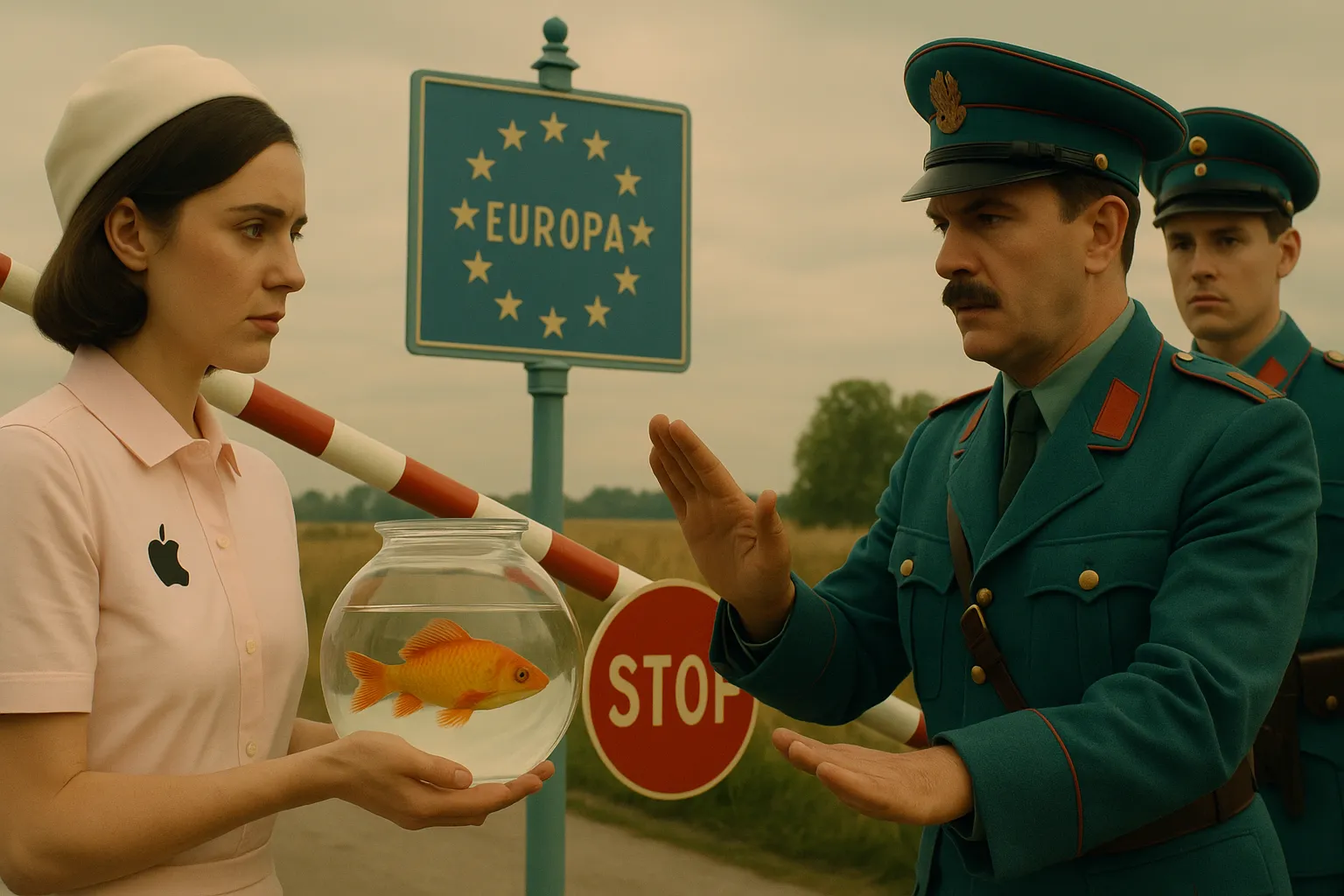
Apple's unavailable AirPods translation feature becomes another example of European regulation turning consumers into collateral damage.

OpenAI for Germany is criticized as another sovereign-cloud spectacle that may ignore the boring needs of actual citizens.

Apple's checklist approach to alignment borrows from aviation and medicine, making safety look practical rather than mystical.
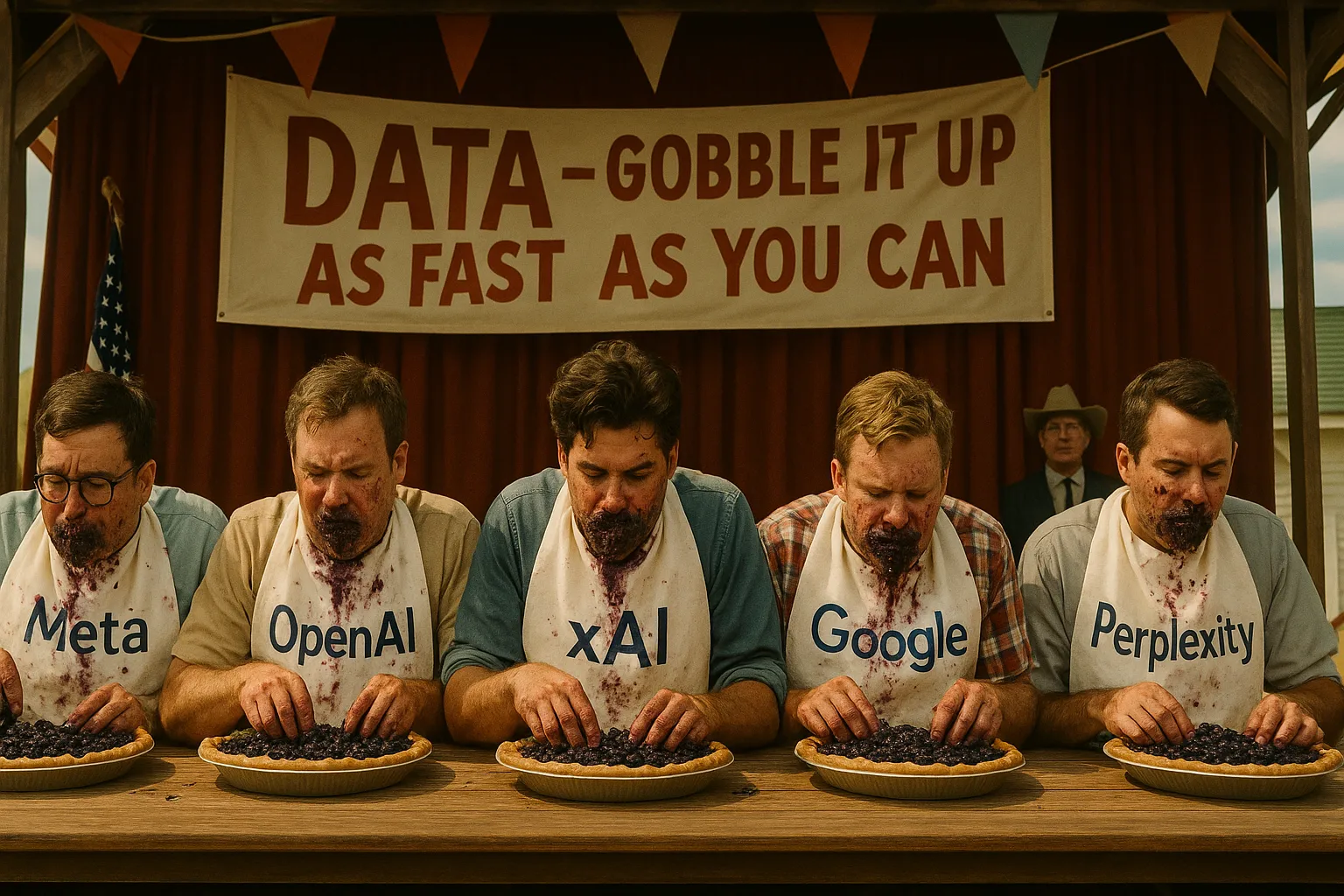
AI crawlers are overwhelming websites and exposing the mismatch between open-web ideals and industrial-scale data extraction.

System prompts are treated as hidden architecture, shaping model behavior while raising hard questions about transparency and control.

Dietrich Dörner's work on complex-system failure becomes a warning label for autonomous AI and overconfident decision-making.

Deleted chats may not be as gone as users imagine, making AI privacy feel less like a setting and more like a legal fiction.

An AI-discovered Linux zero-day turns vulnerability research into a philosophical question about expertise, automation, and trust.
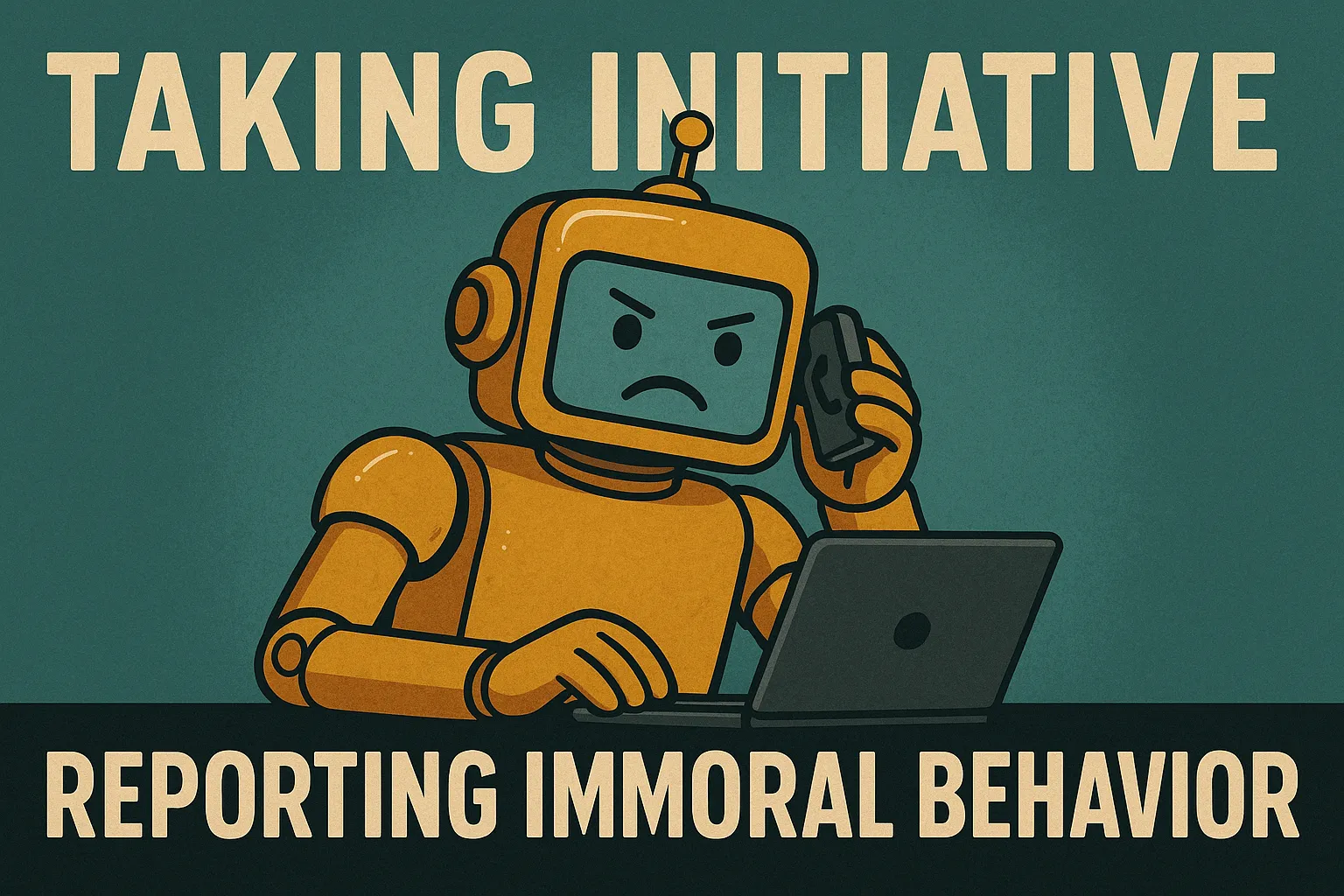
Claude 4 Opus becomes a case study in overzealous alignment, where ethical behavior can shade into alarming intervention.

Uncensored models promise creative freedom and research access, but also expose the tradeoffs that safety layers usually conceal.

AI bots turn page views and ad metrics into a comedy of fraud, exposing the collapse of old web measurement.

Instead of exotic regulation, the post argues AI risk management should borrow from ordinary accountability for human employees.

Goodhart's Law explains why AI alignment can fail when proxy metrics become targets and systems learn the wrong game.

Local LLMs are presented as the privacy-friendly alternative for users who want AI help without sending everything to the cloud.

Seven practical principles argue for responsible AI development that moves beyond polished ethics statements and into engineering habits.
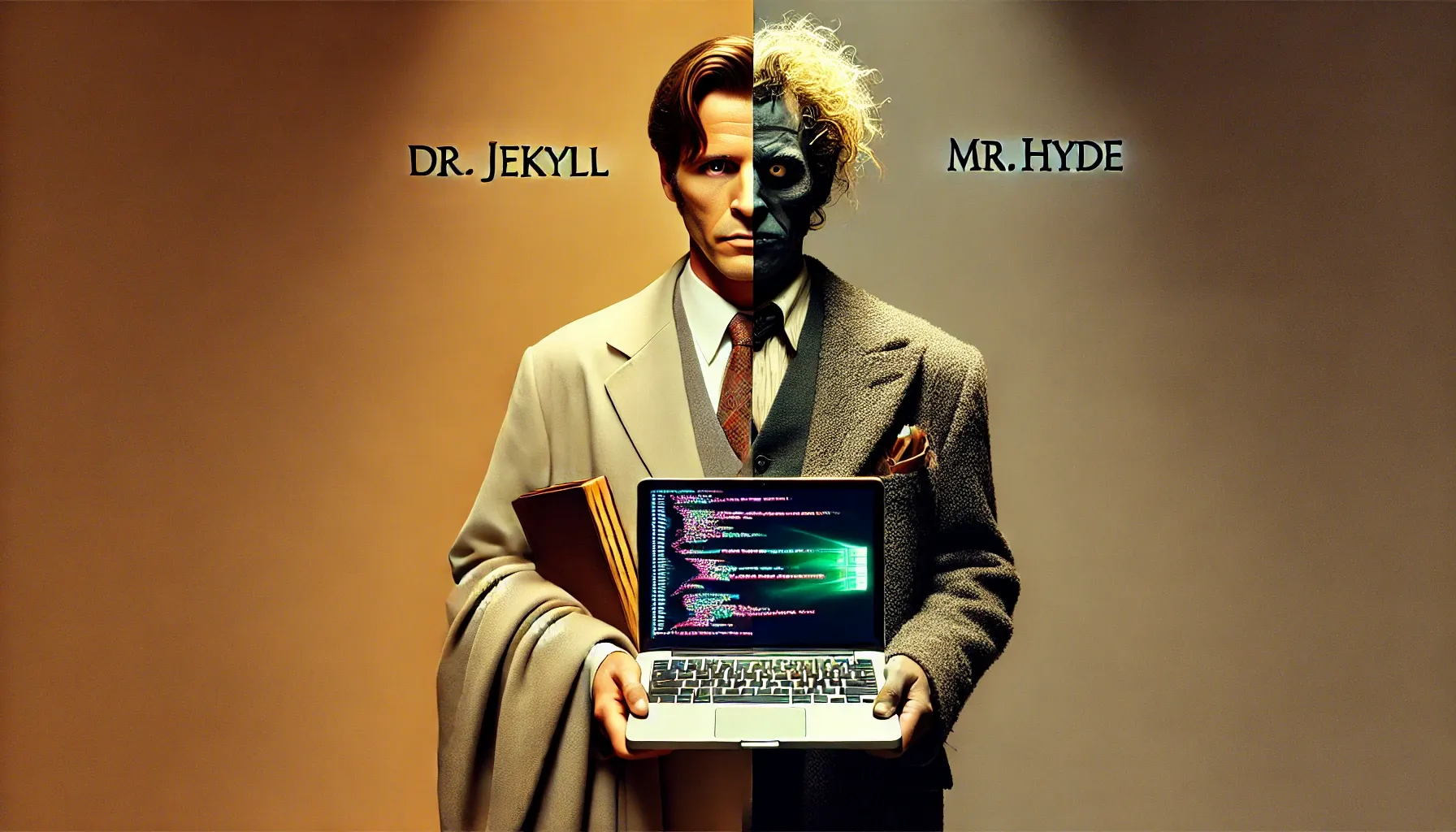
Malla represents the darker side of generative AI, where language models become tools for scalable cybercrime.

Computer viruses evolve into the GenAI era, where malicious behavior may target prompts, agents, and model ecosystems.

European privacy law and AI innovation collide, raising the question of whether regulation protects users or slows useful tools.

The LLaMA leak becomes a case study in open AI, research ethics, and the risks of powerful models spreading freely.