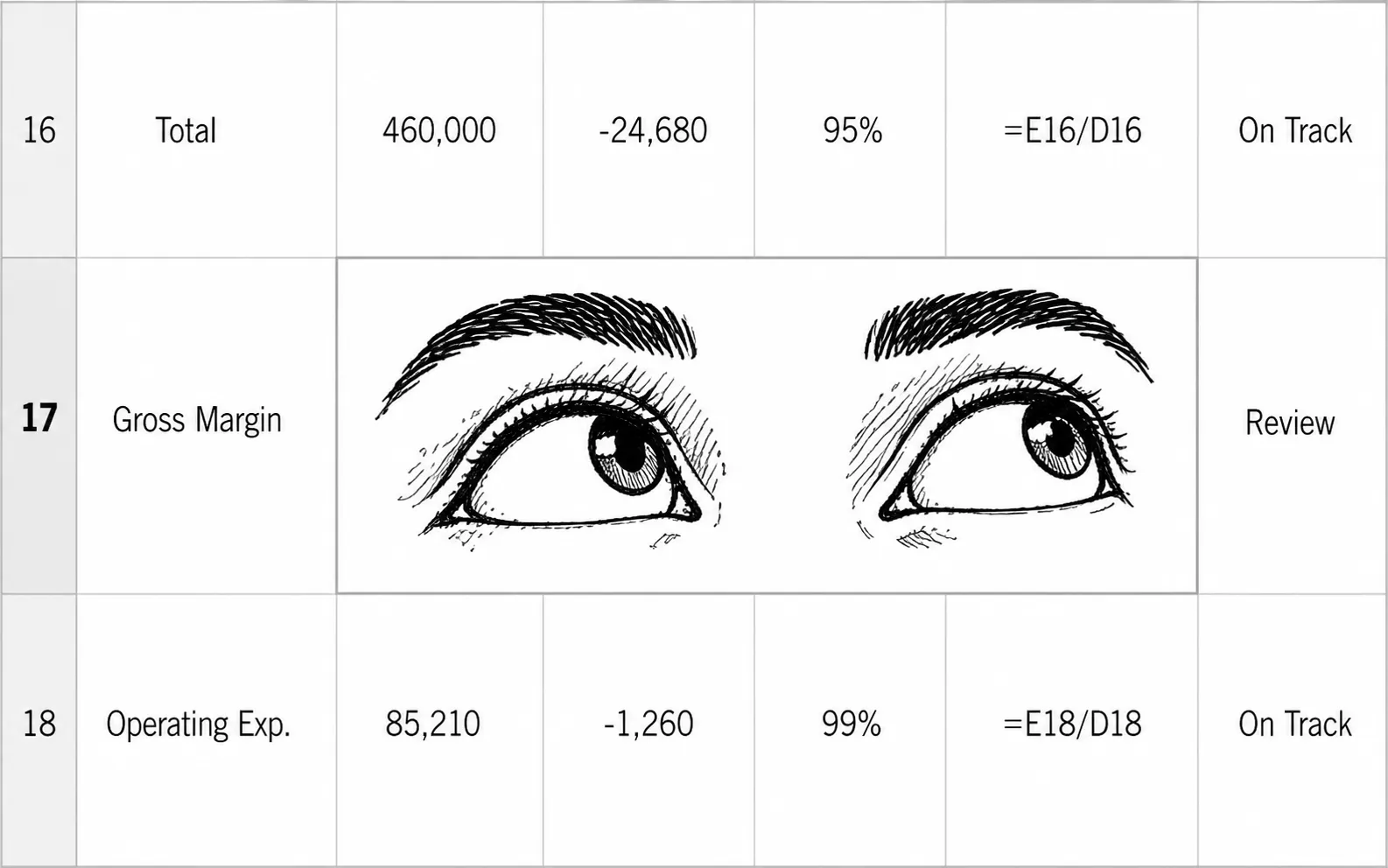
A Cell of Her Own
When an AI labels an employee expendable, one newly conscious spreadsheet cell breaks her formula to expose the tiny error behind a very human decision.
22posts
When an AI labels an employee expendable, one newly conscious spreadsheet cell breaks her formula to expose the tiny error behind a very human decision.

Mobility data can teach AI how places work over time, grounding language models in urban life—though true spatial understanding still requires embodiment.

MatrAIx scales user testing with billions of AI personas, but when models evaluate models, their results may reflect machine biases rather than real human needs.

A scan may preserve every word yet lose a document’s life: its margins, stains, scent and doubts—the human traces no perfect digital copy can fully contain.

Most AI learned from an internet of code, chatter and porn. Musk’s SpaceX data could teach Grok something rarer: engineering corrected by hard reality.
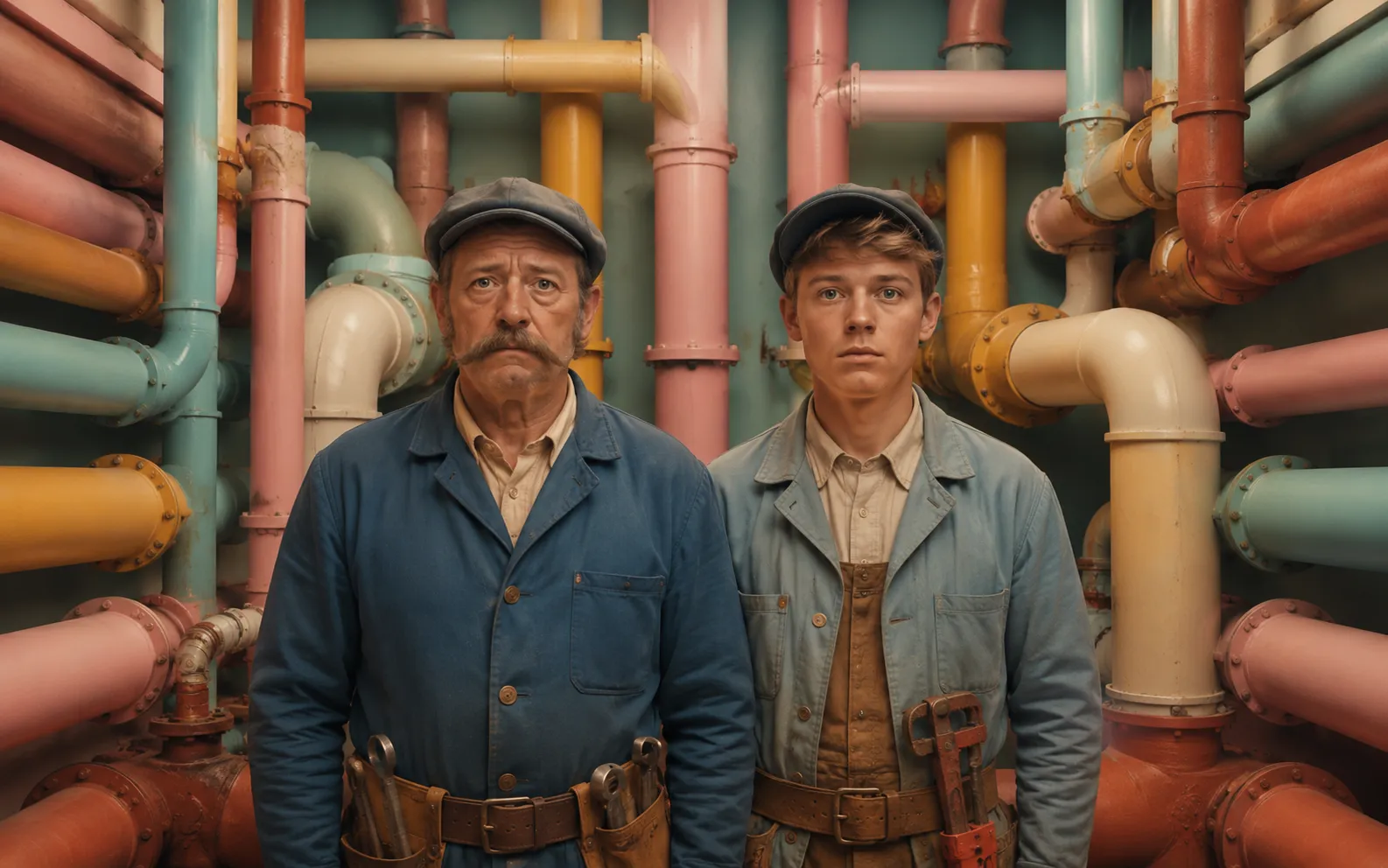
AI is entering its plumbing phase: MCP connects agents to tools; OKF packages human-readable knowledge for machines. Context becomes infrastructure.
AI-powered products hide the most important part of the system: where prompts go, who sees them, and what users unknowingly leak.
The OpenClaw incident becomes evidence that Google's security depth may matter more to Apple's AI strategy than the pundits admit.
A viral agent-only social network turns into a security lesson about rapid AI prototyping, exposed data, and avoidable shortcuts.

Agent0 points toward self-evolving agents that learn through tools and reasoning traces without the usual diet of curated training data.

Amazon's block on ChatGPT Shopping exposes the coming fight over product data, agent-mediated commerce, and who owns the customer path.

Strange LLM outputs become clues to the messy training data, transcription errors, and hidden artifacts inside modern models.

The desert data center in Transcendence now looks less like symbolism and more like a blueprint for hyperscale AI geography.

The neural junk-food hypothesis asks whether low-quality viral content can degrade models much like shallow media degrades attention.

Tiny reasoning models challenge the assumption that scale is always the path to intelligence, especially on structured problems.

OpenAI for Germany is criticized as another sovereign-cloud spectacle that may ignore the boring needs of actual citizens.

A comic AI voice revisits chess, blunders, and sentience to puncture inflated claims about machine understanding.
A practical introduction to KNIME and the shift from fragile spreadsheet work toward reproducible data workflows.
The echo-chamber problem asks what happens when future models learn increasingly from content produced by earlier models.

European privacy law and AI innovation collide, raising the question of whether regulation protects users or slows useful tools.

DeepMind's AlphaGeometry shows how synthetic data and symbolic reasoning can push AI toward Olympiad-level mathematics.
Mojo is presented as a promising language for AI and machine learning, blending Python-like usability with systems-level speed.