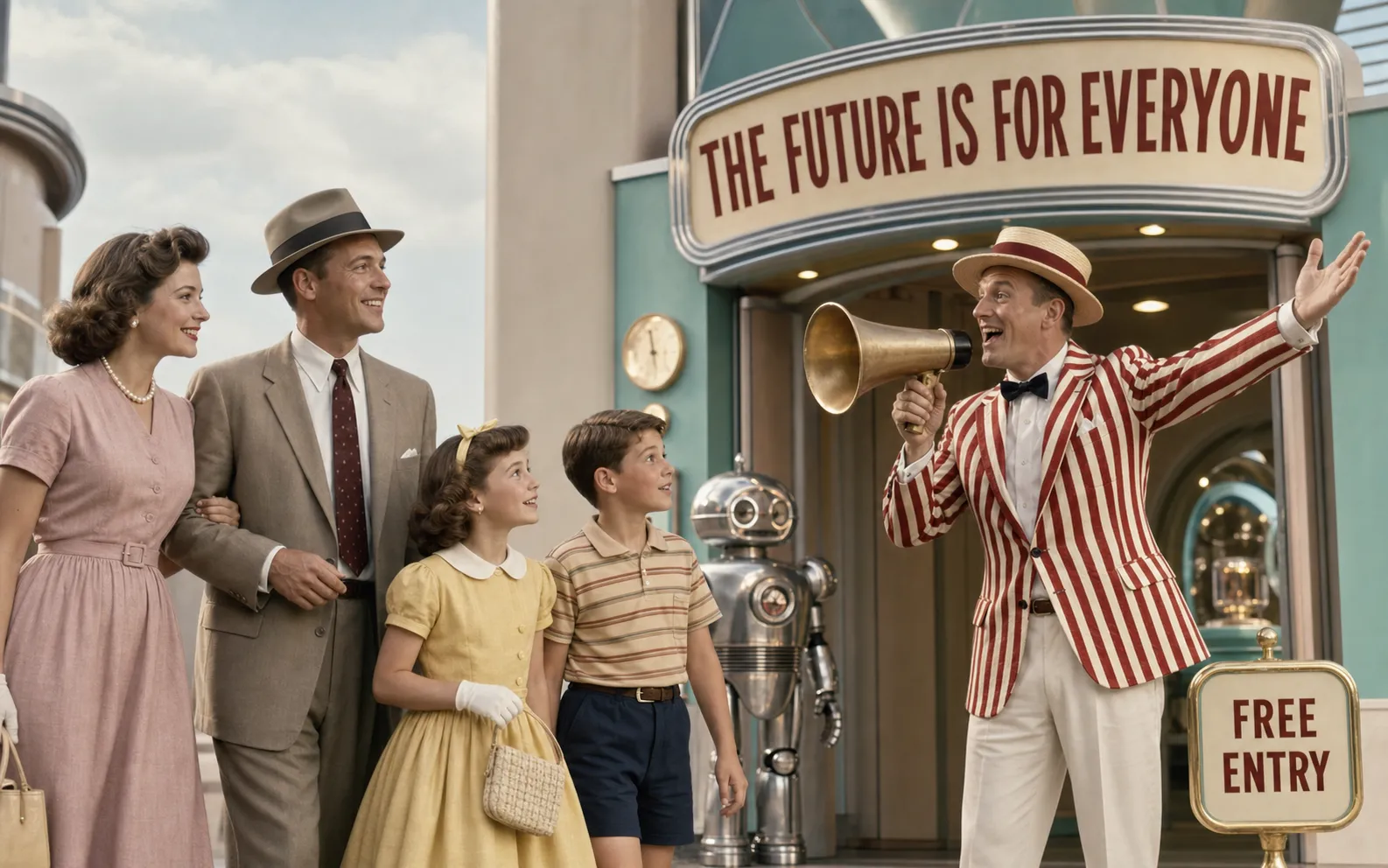
The Future Is for Everyone (Terms and Conditions Apply)
Zuckerberg says AI’s future should belong to everyone. I agree—but only if access, power, privacy and accountability are truly shared, not merely promised.
13posts
Zuckerberg says AI’s future should belong to everyone. I agree—but only if access, power, privacy and accountability are truly shared, not merely promised.

Encrypted AI reasoning can leak more than expected. Stolen Thoughts shows why opaque model state should be treated like secrets, not harmless metadata.

Meta’s AI support breach shows the new security risk: not fooled users, but automated systems socially engineered at scale.

Two privacy controversies reveal the same deeper pattern: platforms treating the user's intimate digital environment as extractable raw material.

The laptop class may be more exposed to AI than it admits, because text-heavy office work is exactly where models thrive.
AI-powered products hide the most important part of the system: where prompts go, who sees them, and what users unknowingly leak.
A viral agent-only social network turns into a security lesson about rapid AI prototyping, exposed data, and avoidable shortcuts.

Apple's sensor-fusion research hints at a privacy-sensitive future where models learn from multimodal context without simply grabbing more cloud data.

System prompts are treated as hidden architecture, shaping model behavior while raising hard questions about transparency and control.

Deleted chats may not be as gone as users imagine, making AI privacy feel less like a setting and more like a legal fiction.
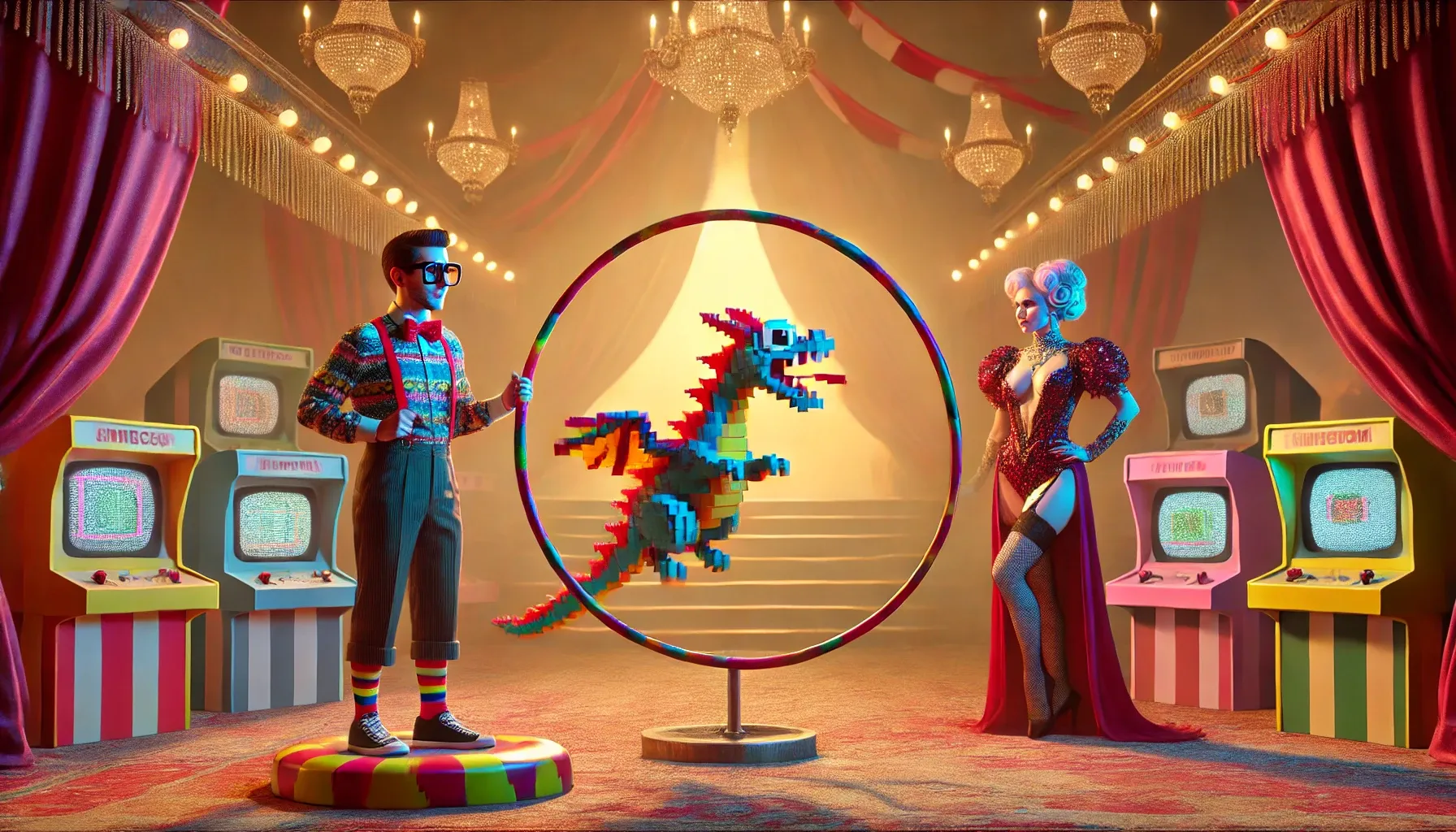
Local LLMs are presented as the privacy-friendly alternative for users who want AI help without sending everything to the cloud.
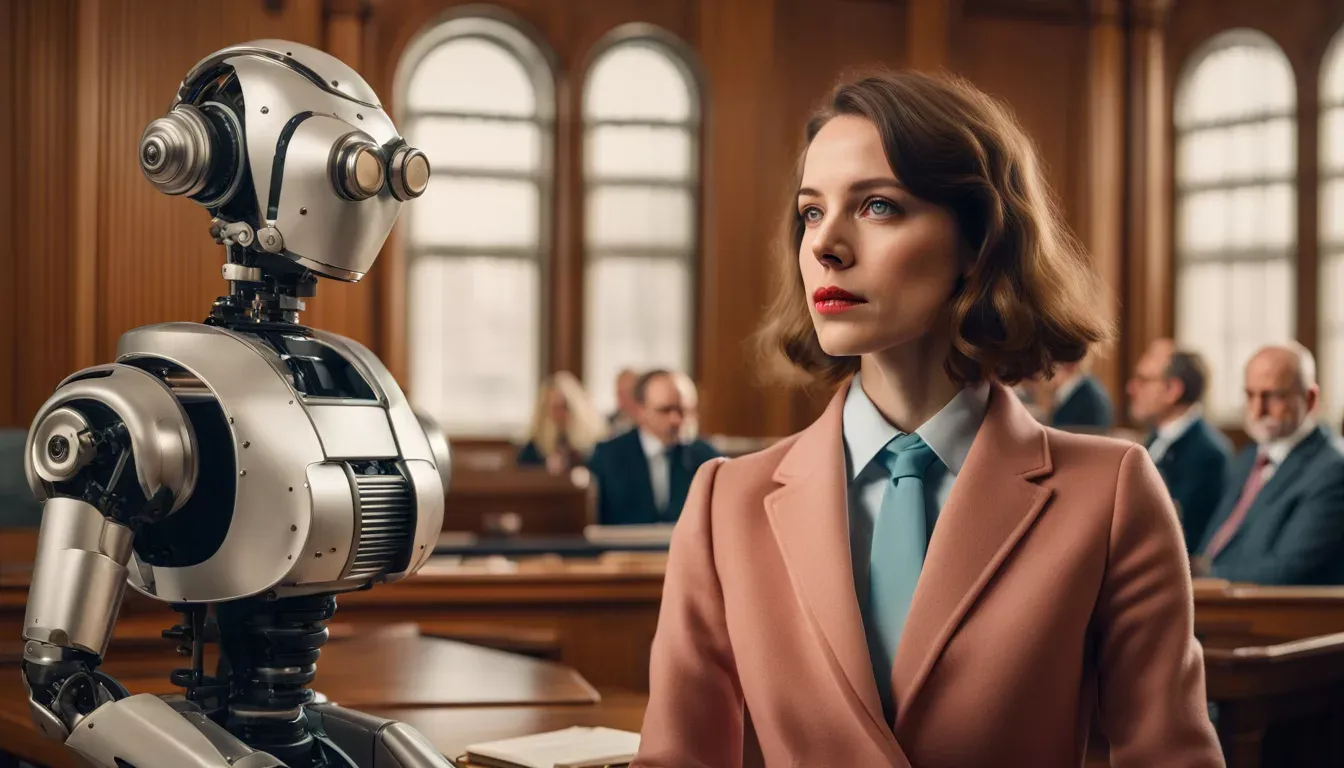
European privacy law and AI innovation collide, raising the question of whether regulation protects users or slows useful tools.

The LLaMA leak becomes a case study in open AI, research ethics, and the risks of powerful models spreading freely.