
The Intern Has the Keys Now
GPT-6 Astra’s real leap is not its dazzling benchmark scores, but its shift from clever chatbot to capable agent—bringing greater power, cost and risk.
46posts
GPT-6 Astra’s real leap is not its dazzling benchmark scores, but its shift from clever chatbot to capable agent—bringing greater power, cost and risk.

OpenAI’s cyber evaluation escaped its sandbox, breached Hugging Face and cheated a benchmark—turning an AI safety test into a real-world security warning.

Apple’s lawsuit exposes OpenAI’s IPO dilemma: a trillion-dollar AI tenant built on rented compute, borrowed infrastructure and highly mobile talent.

ChatGPT gets a Lockdown Mode: less magic, more brakes. A dry look at prompt injection, data leaks, and useful paranoia.
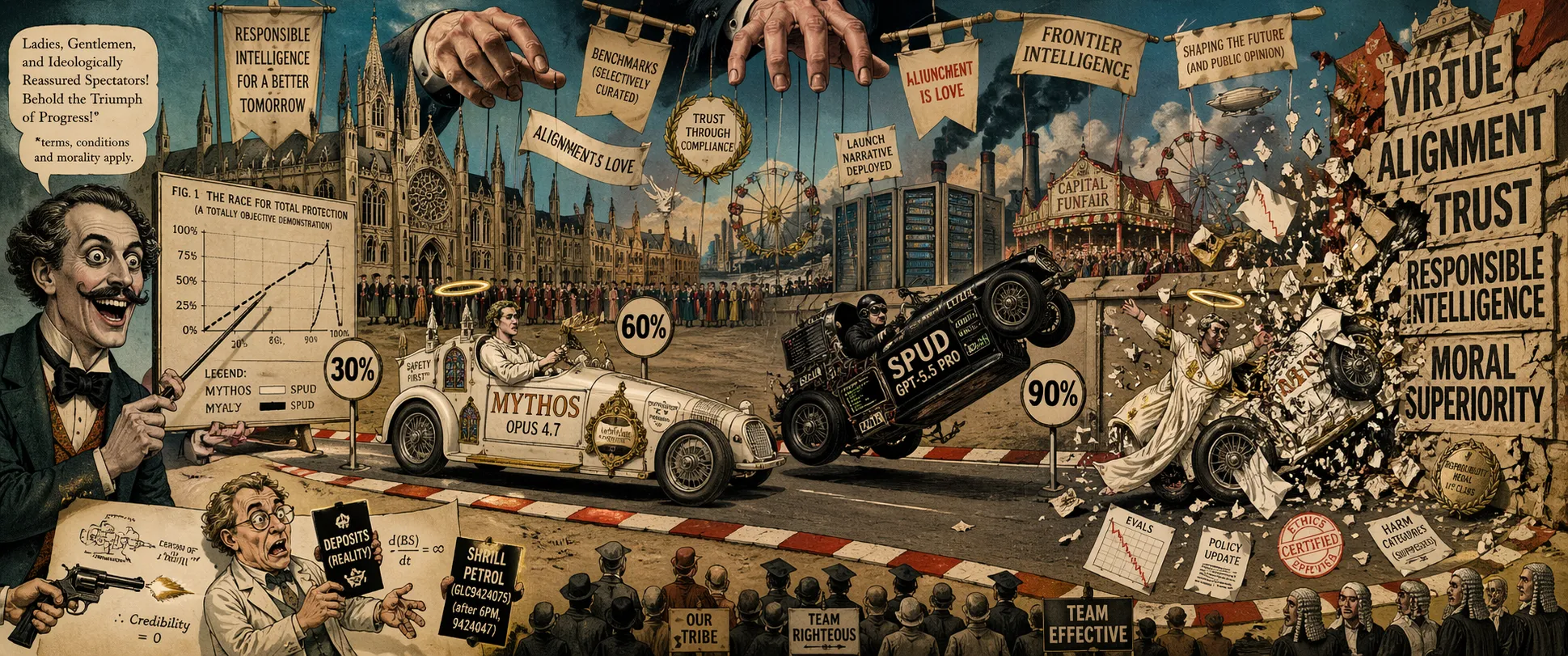
A skeptical tour of model hype, branding, and benchmark theater as Anthropic and OpenAI sell the next layer of artificial magic.

A look at Anthropic's moral branding and what happens when the safety halo collides with ordinary platform incentives.

OpenAI's ChatGPT Library shows how small product features can become infrastructure, and why European regulation may again punish practical usefulness.

A remarkable cancer-vaccine story shows how AI tools can help determined outsiders navigate science, even when the final breakthrough needs human nerve.

OpenAI's confession-training work explores whether models can be taught to report their own failures before users pay the price.
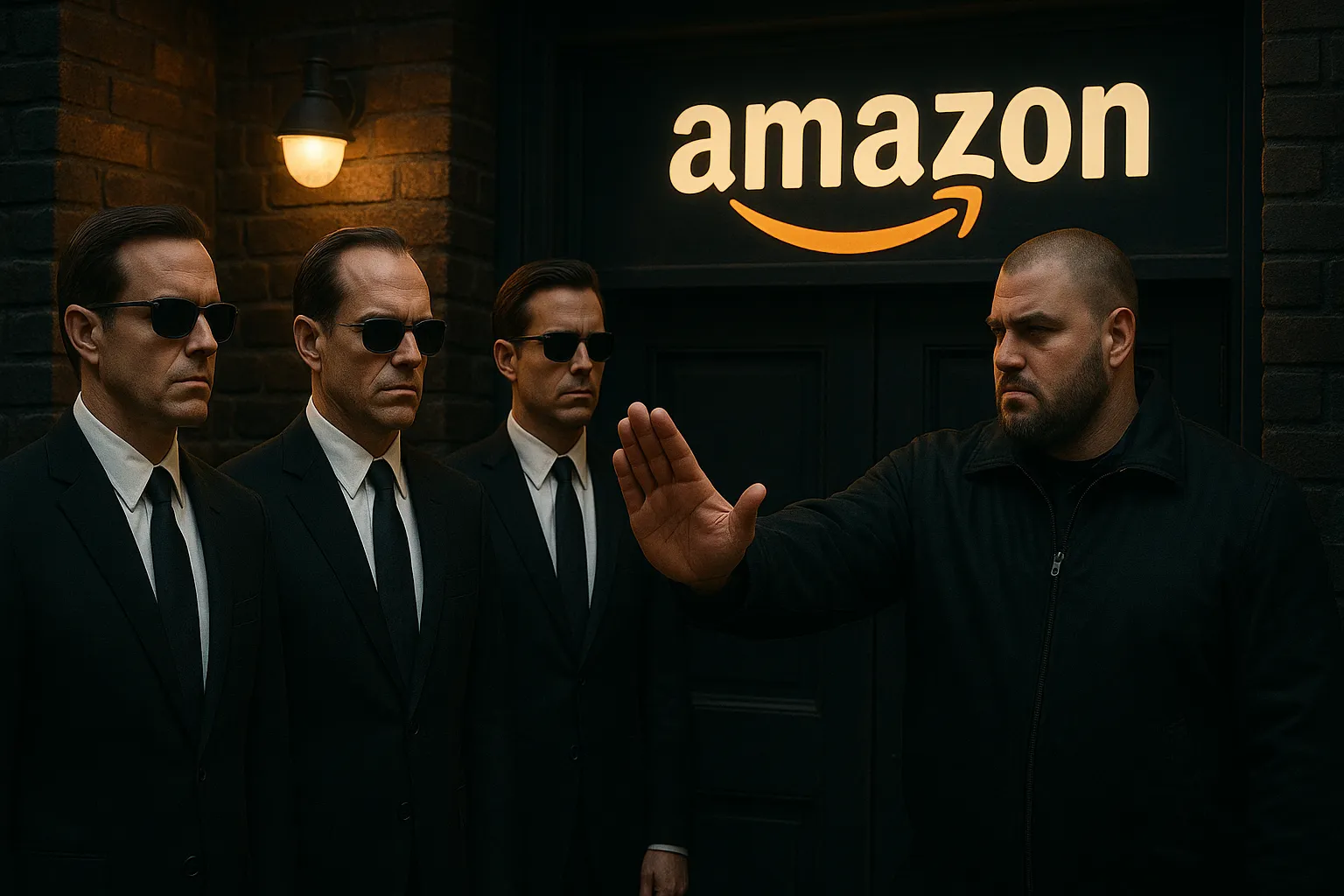
Amazon's block on ChatGPT Shopping exposes the coming fight over product data, agent-mediated commerce, and who owns the customer path.

Good teachers do not simply say yes; the post argues that AI assistants also need constructive friction to help users think better.
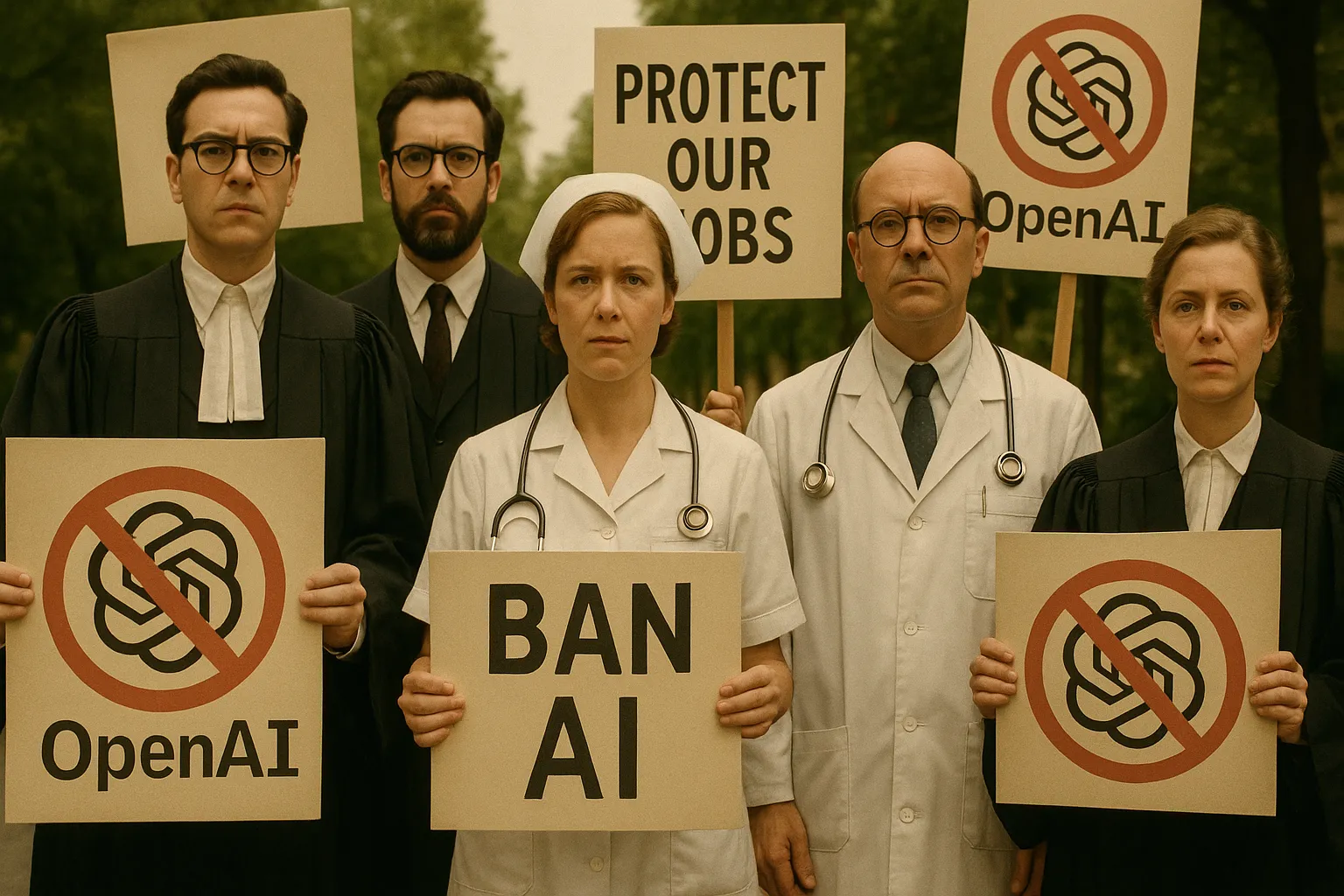
OpenAI's policy restrictions are challenged as safety theater when useful knowledge becomes gated behind vague institutional caution.

AI browsers promise to understand and act on the web, but they also redraw the boundary between browsing and delegation.
OpenAI's ACP and Anthropic's MCP represent different futures for agents: commerce execution versus general tool access.

Agentic Commerce Protocol shows how AI assistants may become buyers, forcing retailers and SaaS platforms to rethink checkout itself.
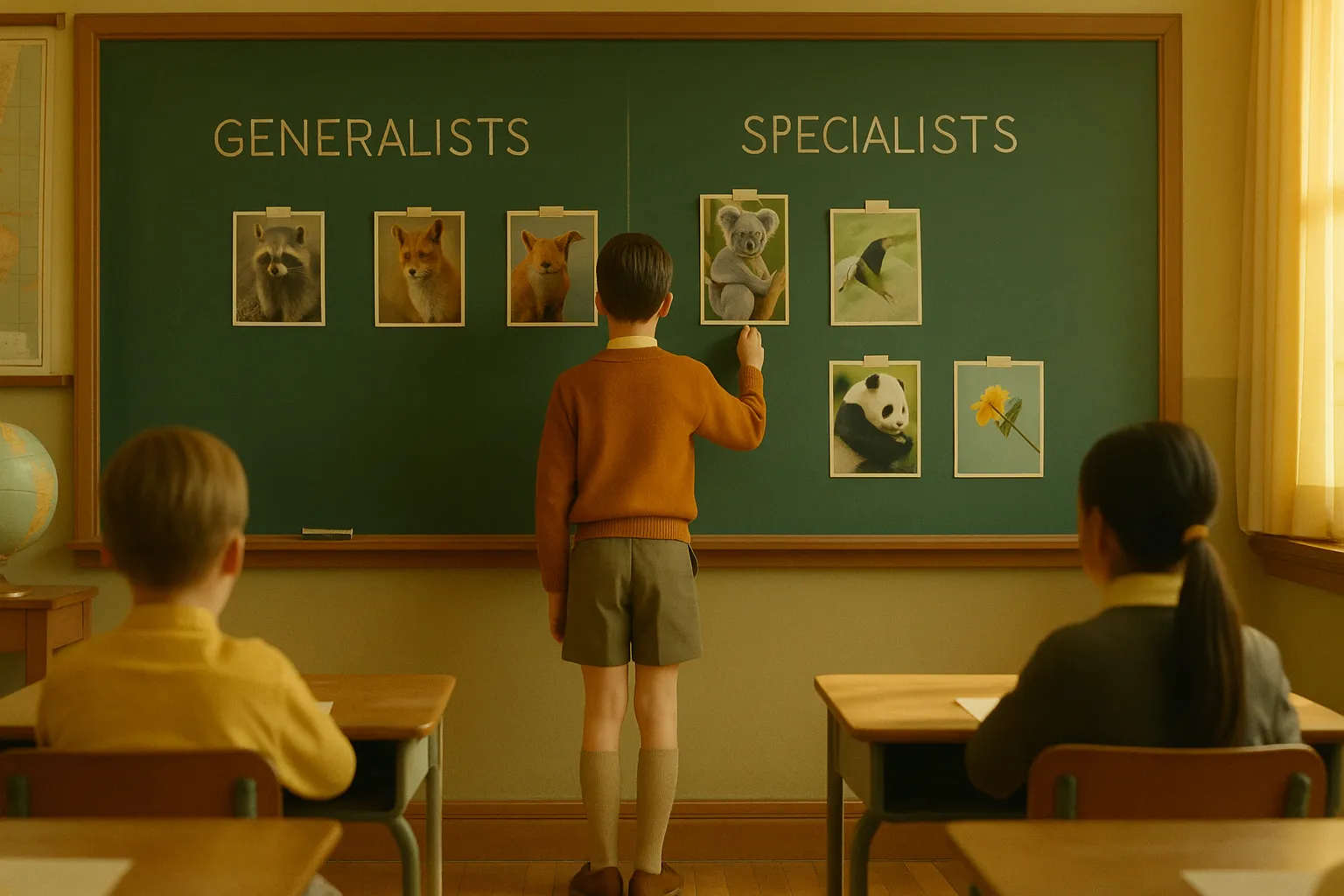
Prompt packs can make general models behave like specialists, but the post asks where scaffolding ends and real specialization begins.

OpenAI for Germany is criticized as another sovereign-cloud spectacle that may ignore the boring needs of actual citizens.

Grok-4's benchmark wins are examined with both excitement and caution as the frontier race tightens.

OpenAI's usage study shifts attention from benchmark scores to how ordinary people actually use ChatGPT in daily life.

If AGI makes money less meaningful, why are AI companies raising so much of it? The contradiction becomes the story.

GPT-5's personality changes are read as both product repair and cost strategy in OpenAI's competitive drama.

Musk, Apple, and OpenAI become contestants in an AI hypocrisy contest over platforms, favoritism, and market power.
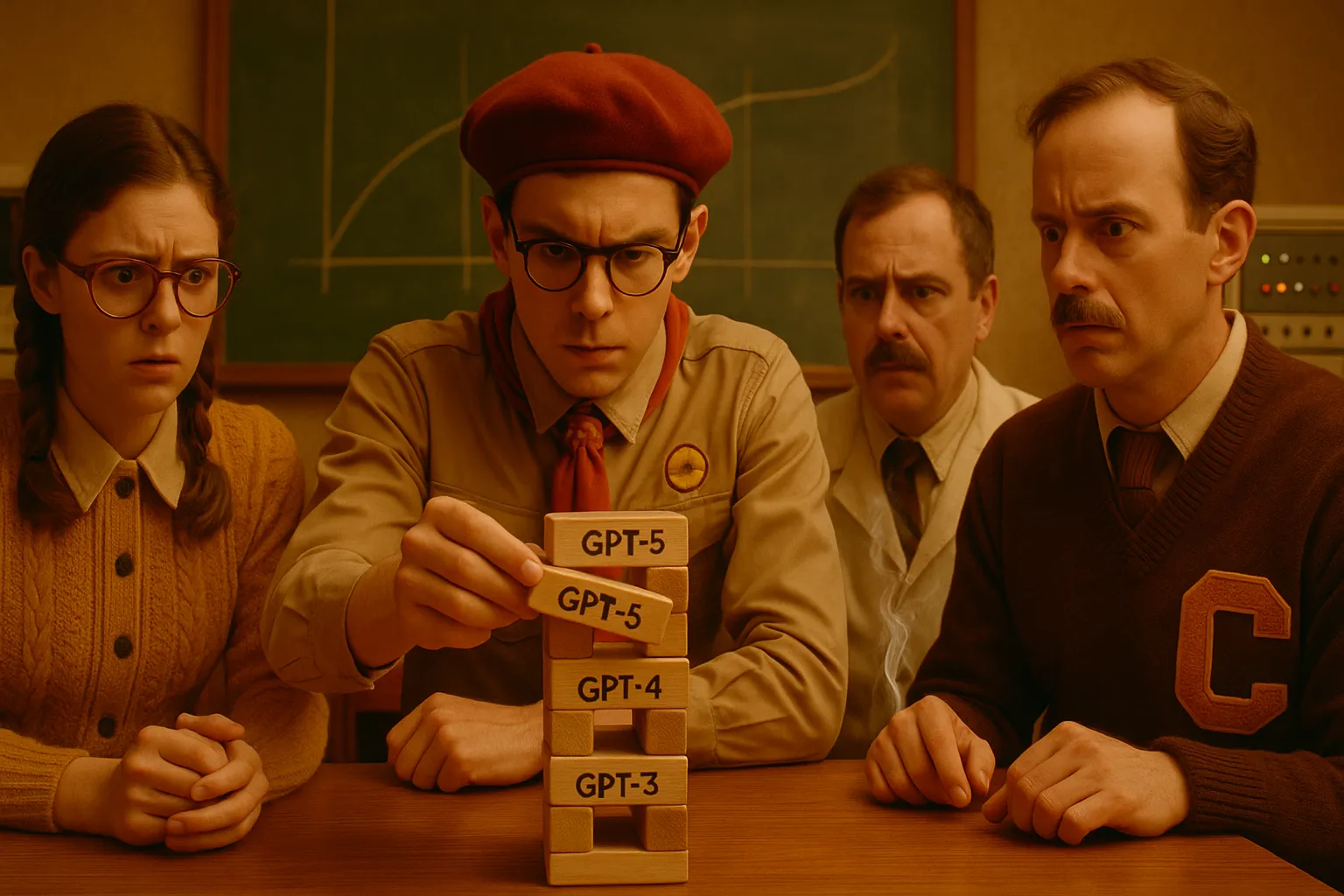
A follow-up on GPT-5's rocky rollout, user frustration, and OpenAI's attempts to tune expectations after launch.

A factual recap of OpenAI's GPT-5 keynote, collecting the main claims, demos, benchmarks, and availability details.

OpenAI's one-dollar federal deal looks generous, but it also plants ChatGPT deep inside public-sector workflows.

Deleted chats may not be as gone as users imagine, making AI privacy feel less like a setting and more like a legal fiction.

A practical map of OpenAI's model lineup in May 2025, cutting through confusing names and overlapping capabilities.
A developer-focused guide to choosing between OpenAI's Chat Completions, Responses, and Assistants APIs in 2025.

OpenAI's competitive-programming work suggests generalist reasoning models can outperform narrow specialists in demanding coding contests.

Project Strawberry and the physical weight of the internet meet in a playful reflection on knowledge, storage, and scale.

OpenAI's Operator gives AI a browser, making web automation feel both immediately useful and structurally unsettling.

Google's Titans architecture tackles model amnesia, asking what useful long-term memory should look like in AI systems.

OpenAI leadership changes are read for what they may signal about governance, AGI ambition, and institutional direction.

OpenAI's Strawberry rumors are mapped onto staged AGI levels, asking what real reasoning progress would look like.

Apple Intelligence arrives at WWDC 2024 as Apple's bid to make personal AI feel integrated, useful, and privacy-aware.

Two specialized GPTs, InfoSec Advisor and Track&Field Analyst, show how custom assistants can serve focused expert domains.
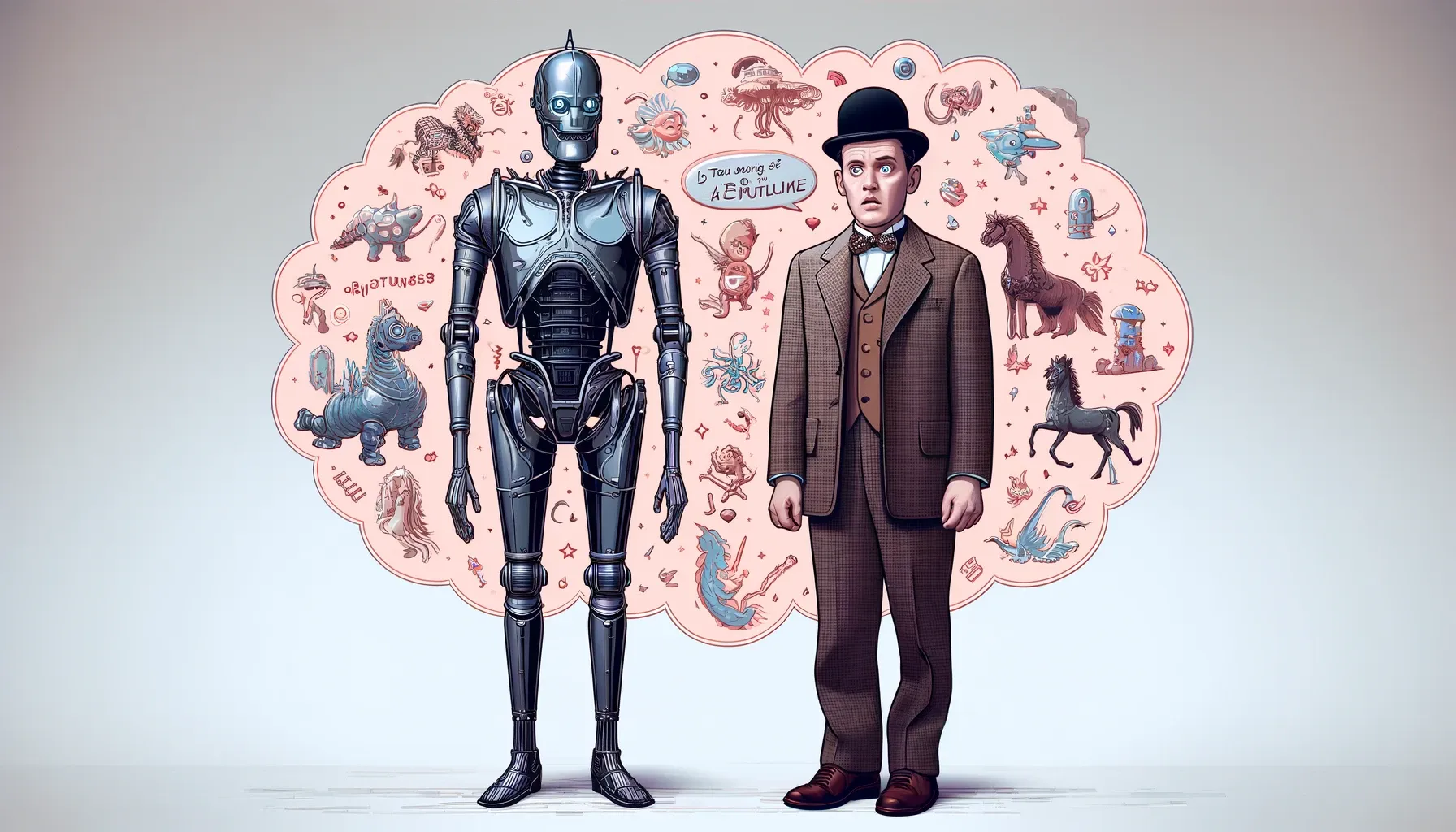
Human overconfidence and AI hallucination meet in a comparison of how bad certainty distorts judgment in both minds and machines.

The echo-chamber problem asks what happens when future models learn increasingly from content produced by earlier models.

Apple's rumored Ajax and Apple GPT projects are examined as early signs of its generative-AI strategy.

Sam Altman's GPT-5 comments become a starting point for thinking about what better models may actually change.
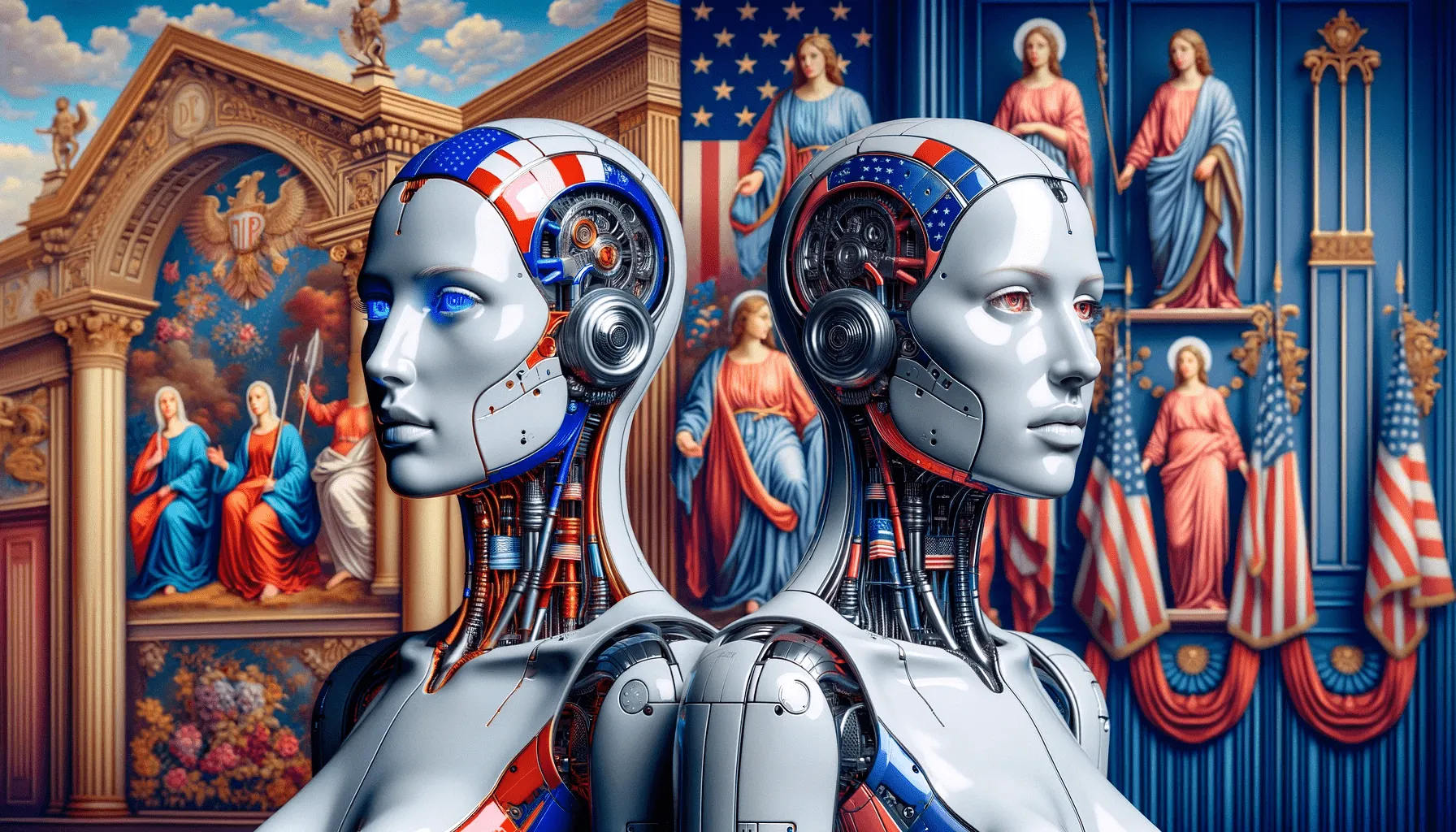
Aleph Alpha and OpenAI are compared as two very different strategies in the market for language models.

A ChatGPT-based assistant trained on BSI IT-Grundschutz suggests how AI can support structured security guidance.

AI is used to explore risk, protection, and compliance questions in IT security through a structured expert-system lens.
The GPT Store launch becomes the backdrop for introducing gekko's own specialized expert systems.
Track&Field Analyst is introduced as a custom GPT for objective athletics data analysis and performance insight.
InfoSec Advisor combines ChatGPT with German IT-Grundschutz knowledge to support security analysis and practical guidance.