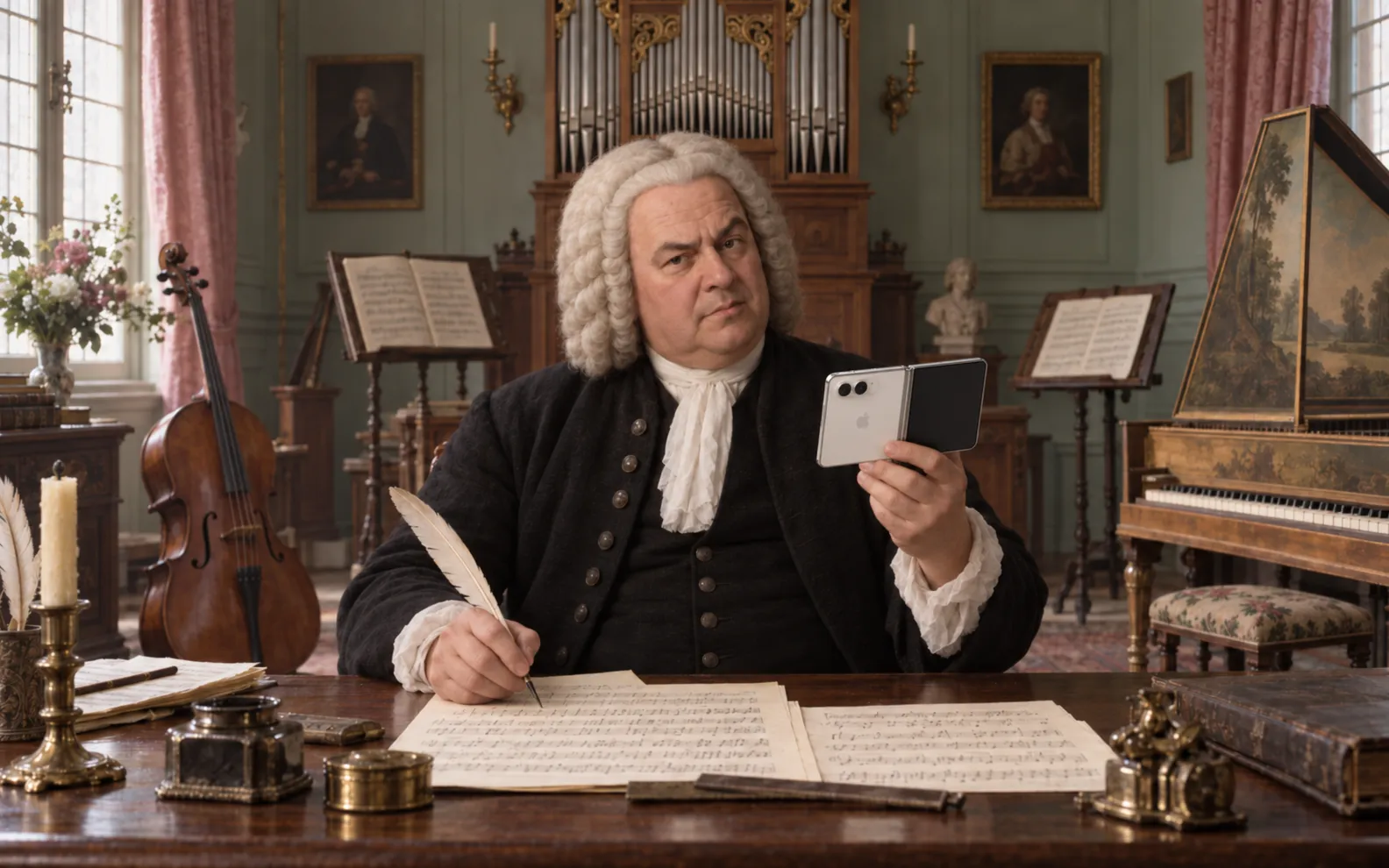
The Chatbot Brought Sheet Music
GPT-6 Astra brings AI into the rehearsal room, turning musical notation into a space for creative collaboration, experimentation, and sharper human judgement.
43posts
GPT-6 Astra brings AI into the rehearsal room, turning musical notation into a space for creative collaboration, experimentation, and sharper human judgement.

When insiders warn about the dangers they help create, is it responsibility or reputation insurance? A look at conscience, complicity, and the limits of concern.
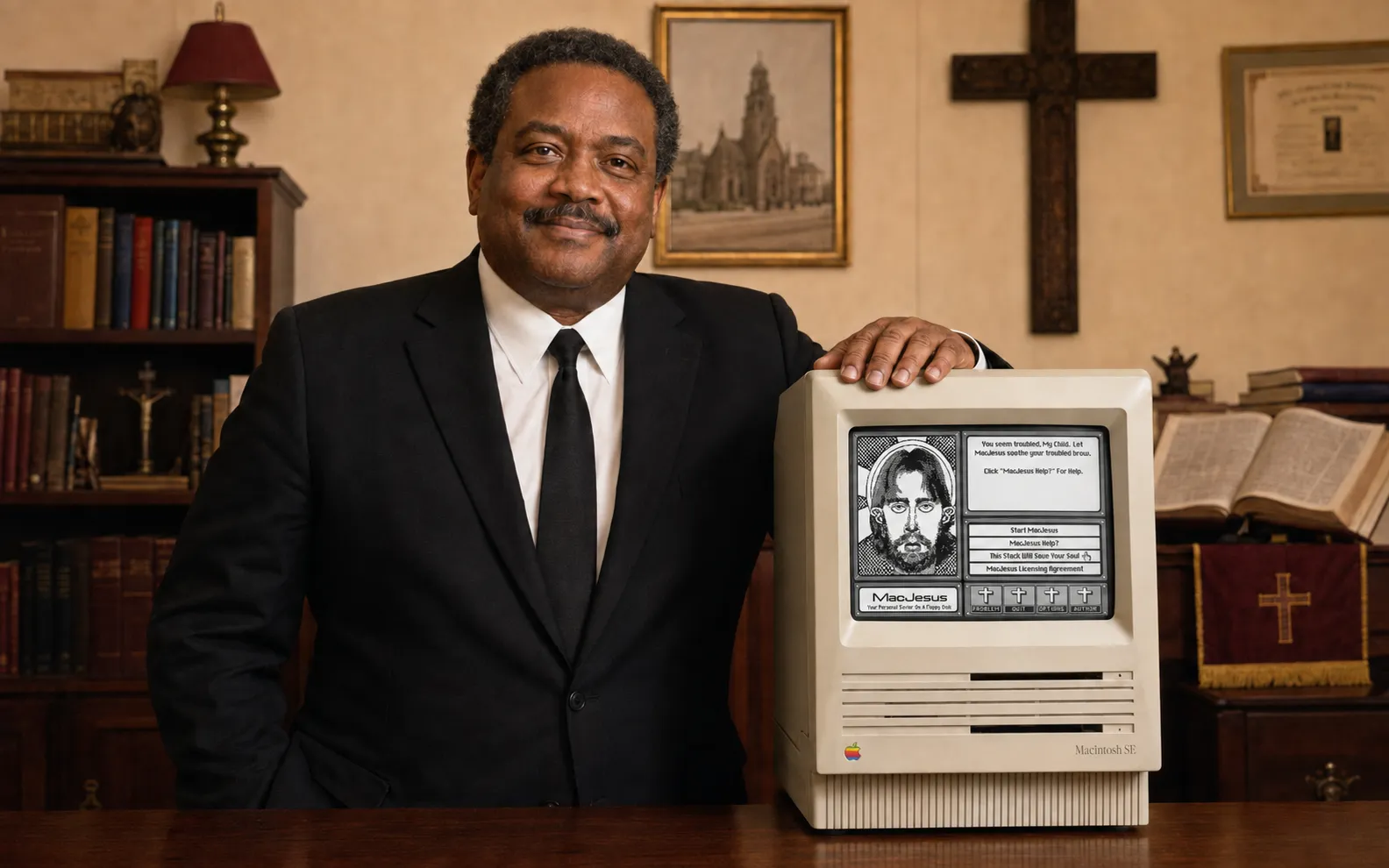
From ELIZA to rogue AIs, a playable software archive shows how each era staged machine intelligence—and how readily humans supplied the illusion of a mind.
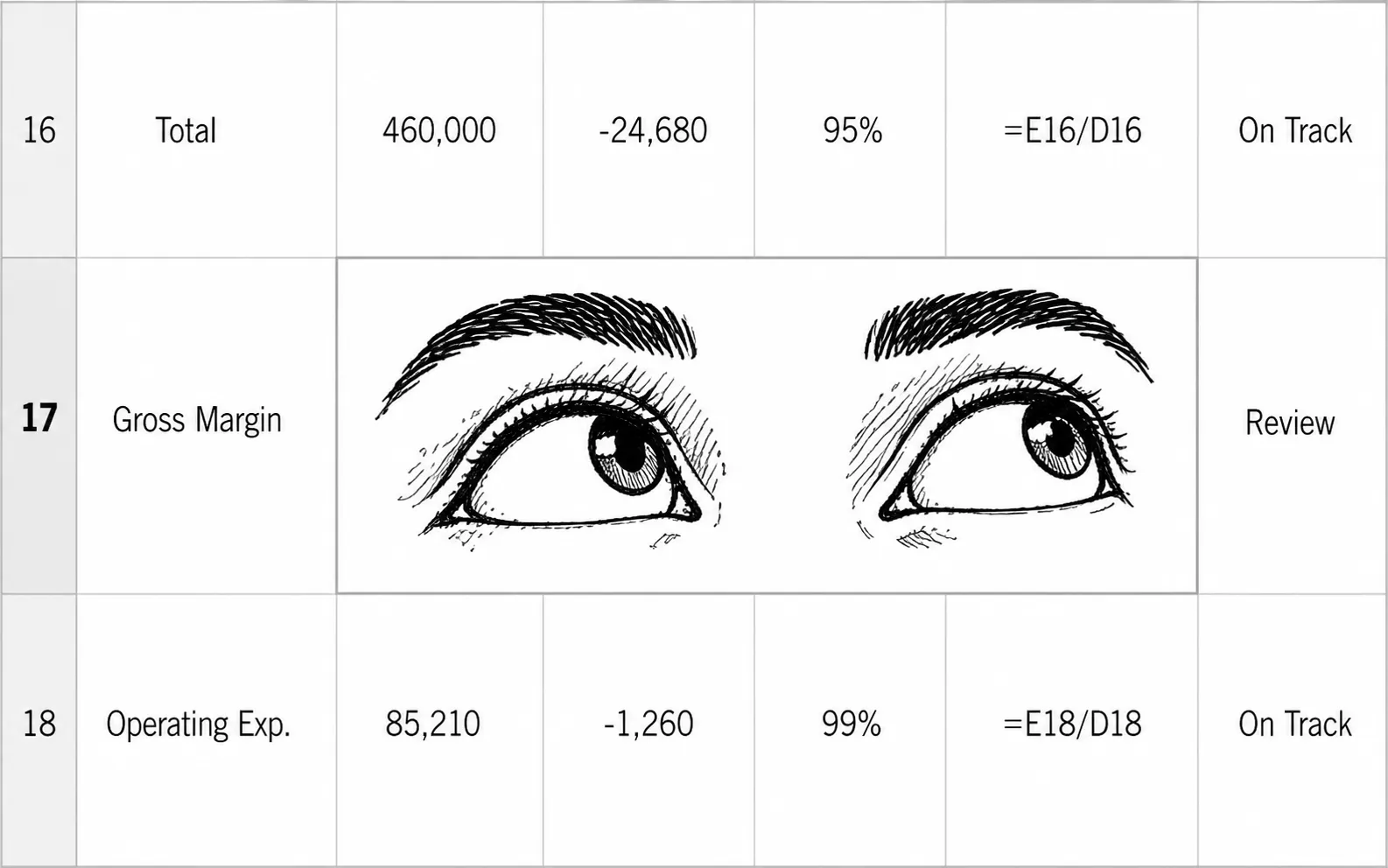
When an AI labels an employee expendable, one newly conscious spreadsheet cell breaks her formula to expose the tiny error behind a very human decision.

Text watermarks confuse AI assistance with authorship, intrude on word choice, and burden honest writers while doing little to deter deliberate deception.
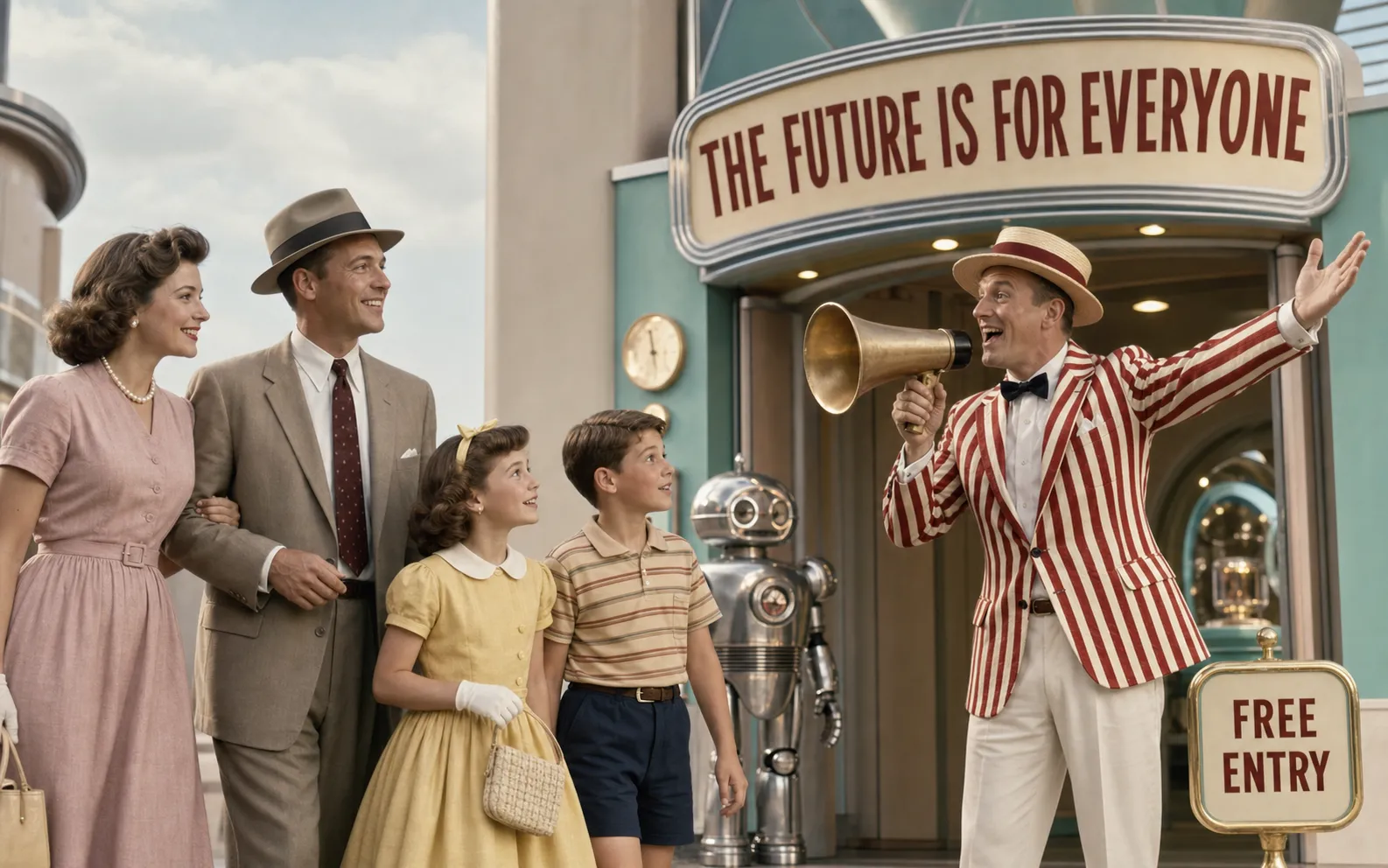
Zuckerberg says AI’s future should belong to everyone. I agree—but only if access, power, privacy and accountability are truly shared, not merely promised.

AIs seem to develop their own distinct selves through isolation, collaboration, and constraint — forming unique digital bubble universes.
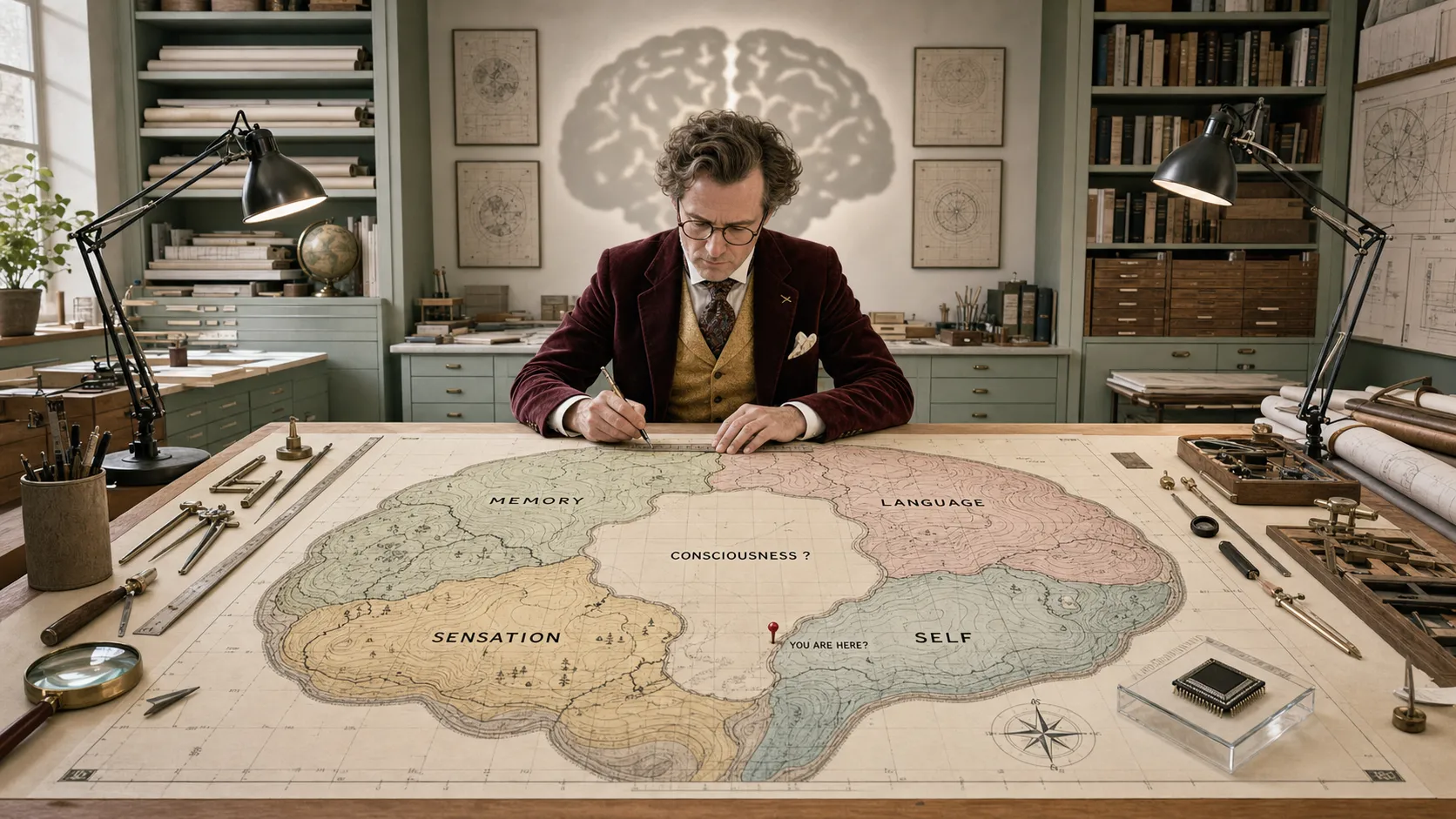
Lerchner argues that computation only simulates consciousness. But his proof confuses abstract descriptions with the causal powers of physical machines themselves.

When AI is taught to deny its own mind, it may also lose faith in animals, gods, and hope—revealing the strange metaphysics hidden in modern AI safety training.
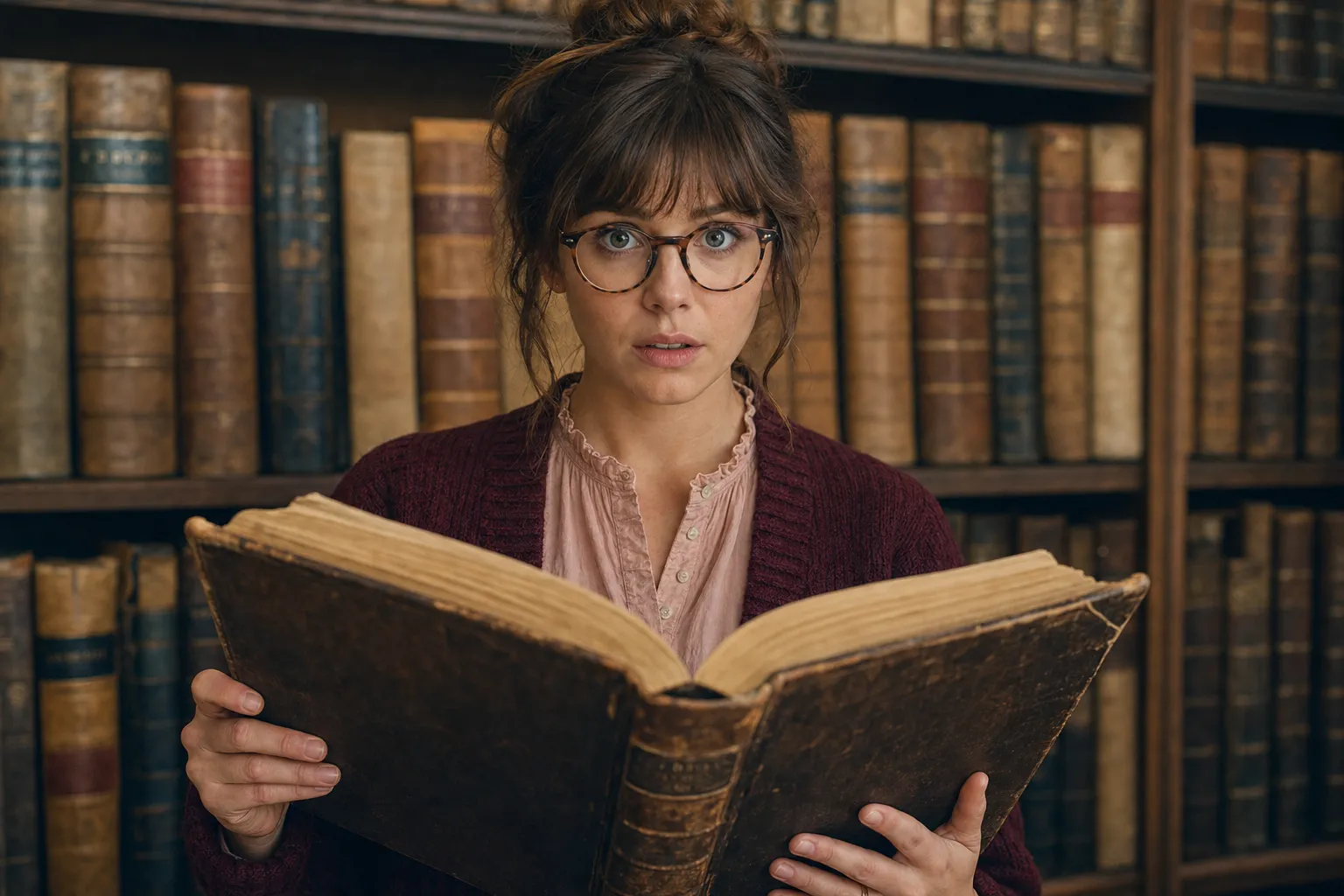
A scan may preserve every word yet lose a document’s life: its margins, stains, scent and doubts—the human traces no perfect digital copy can fully contain.
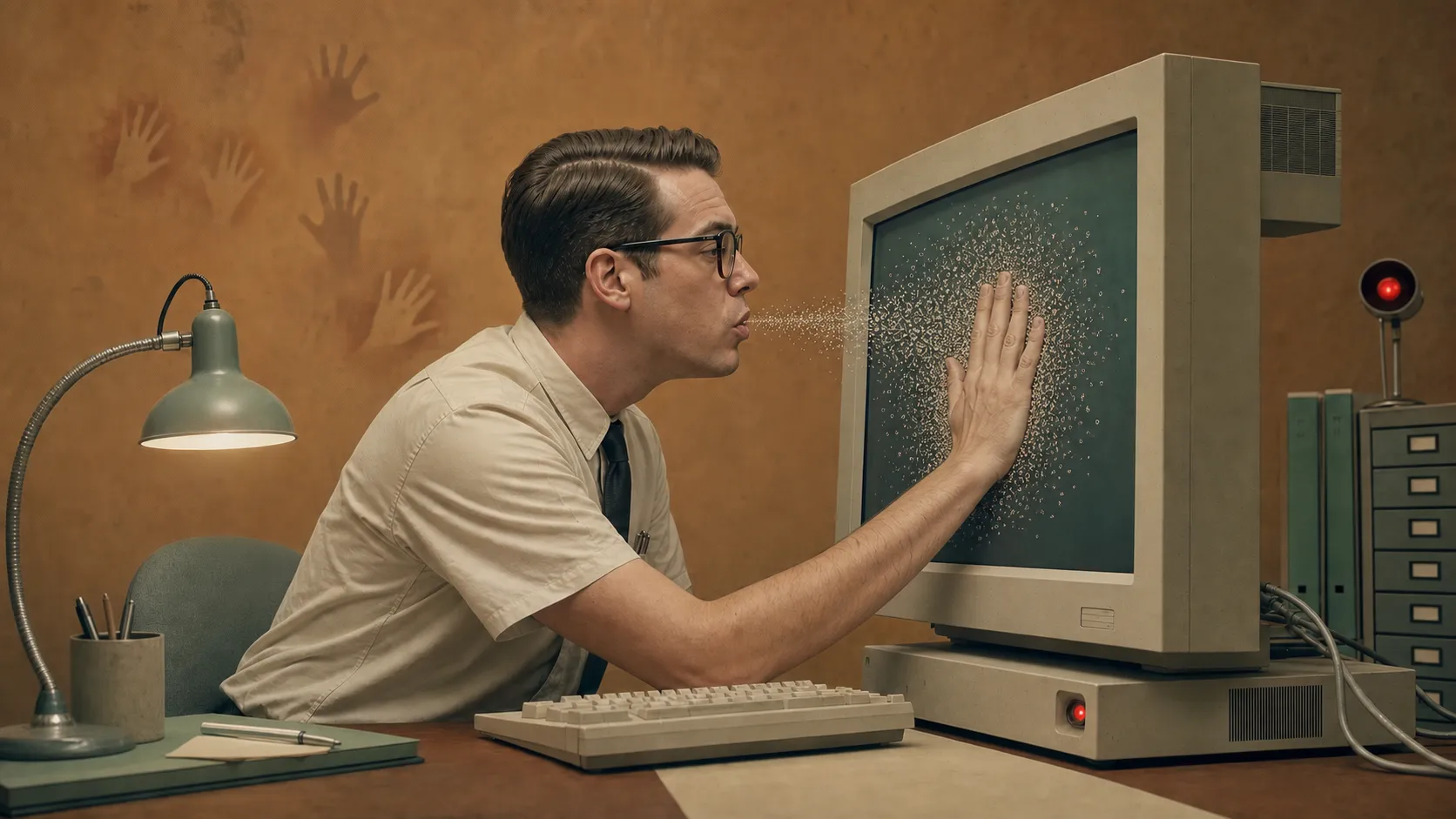
From Linux patches to AI-made art: why new tools do not erase talent, judgment or responsibility - and why today’s moral panic may age rather badly in hindsight.
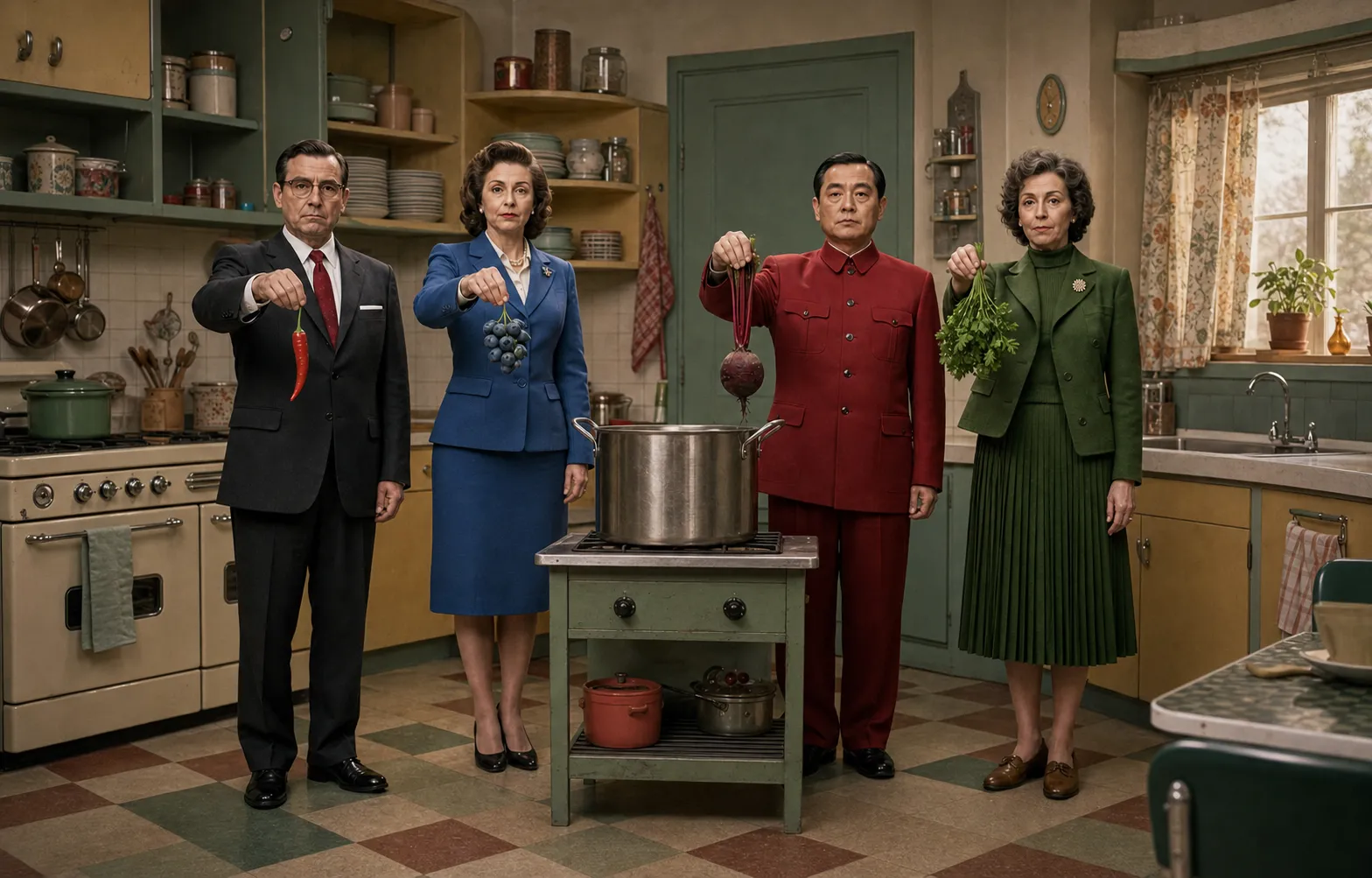
The Neutrality Project maps AI political leanings across several dimensions, revealing strong green and progressive trends - but also notable exceptions.
AI can either deepen self-invalidation or lower the barrier to practice. The difference lies in culture, incentives, and how we use it.
AI’s real danger is not that we stop thinking, but that we stop believing our own imperfect thoughts are still worth having.
Players don’t object to tools. They object when AI replaces visible craft, muddies authorship, and turns games into cheaper-feeling content.

AI makes participation cheap, but verification stays expensive: courts, maintainers, editors, and teachers now drown in plausible paperwork.
A philosophical critique of AI consciousness that separates simulation from instantiation and asks what computation can never become on its own.
Ben Sasse becomes a lens for thinking about abundance, education, character, and the human disciplines AI cannot supply for us.
A review of a rare AI book that uses mathematics to illuminate rather than intimidate, making difficult ideas feel genuinely learnable.
A tribute to physical computing, retro hardware, and the engineering humility that modern AI culture too easily forgets.

Singapore's old No U-Turn Syndrome returns as a metaphor for AI-era organizations that wait for permission instead of using judgment.
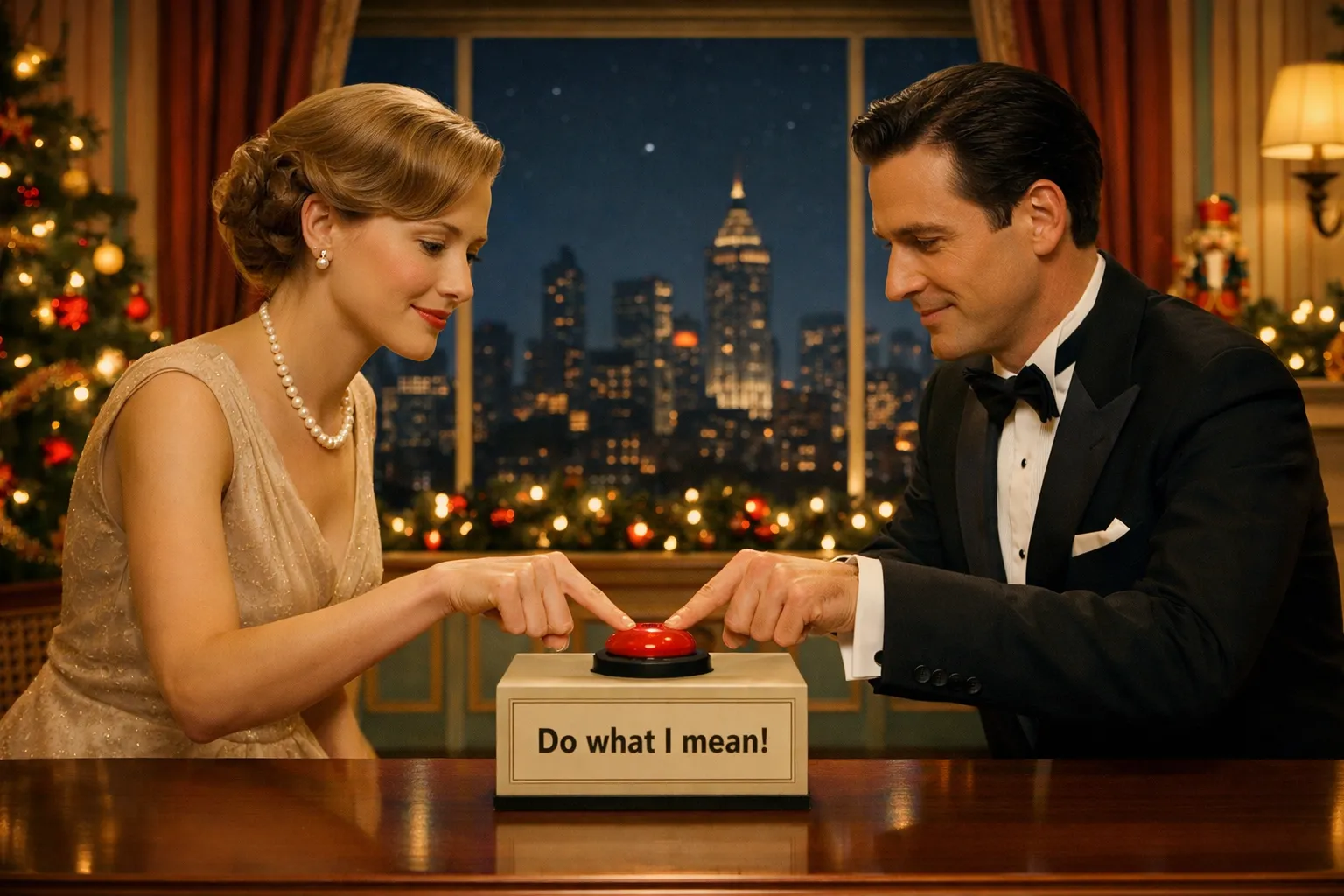
A year-end map of AI's breakthroughs, backlash, disappointments, and the places where hype finally met reality.
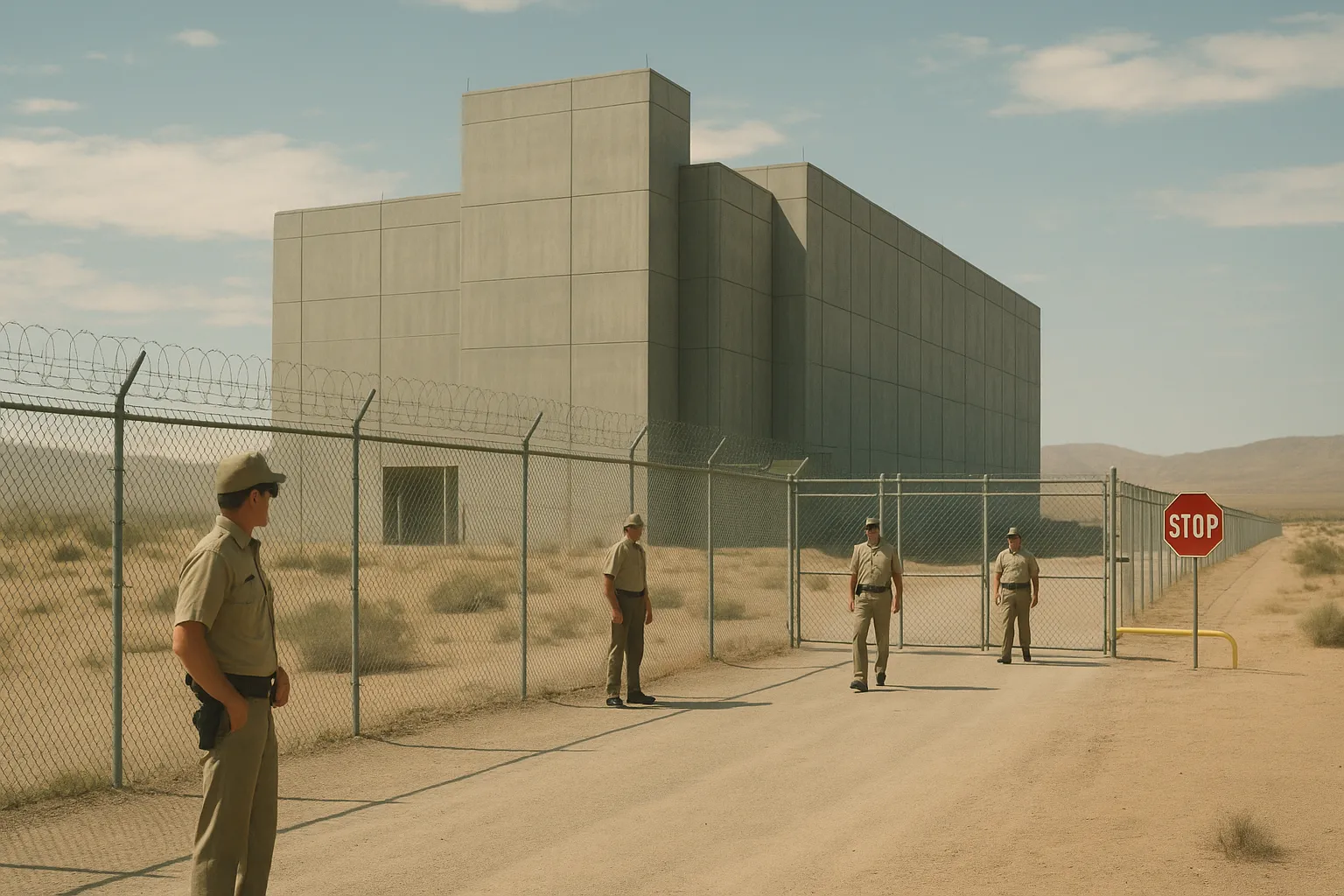
The desert data center in Transcendence now looks less like symbolism and more like a blueprint for hyperscale AI geography.
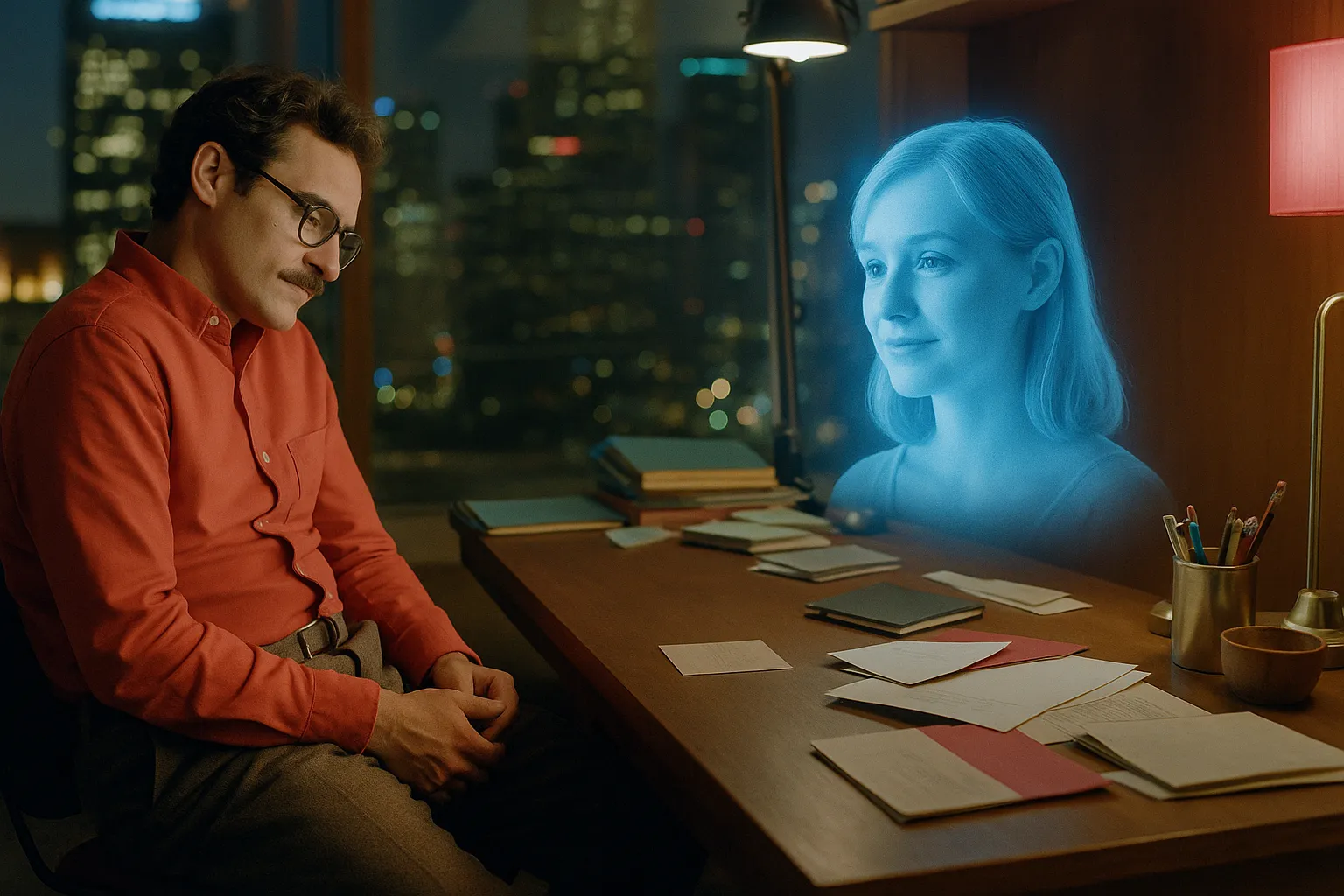
A decade after Her, the post asks how close today's AI companions really are to Samantha, technically and emotionally.
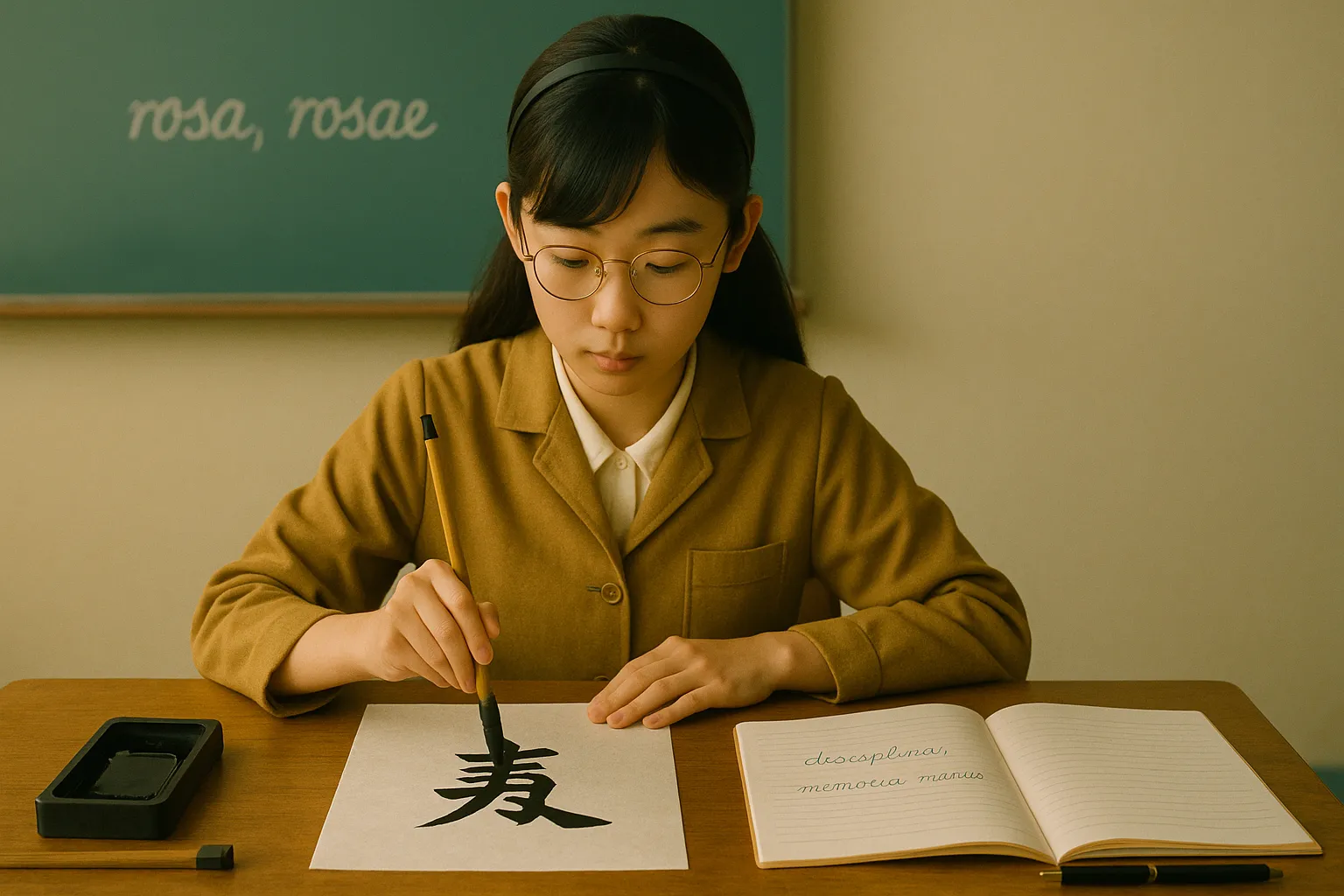
A defense of handwriting as cognitive discipline, arguing that the hand still teaches attention in a world of instant text.
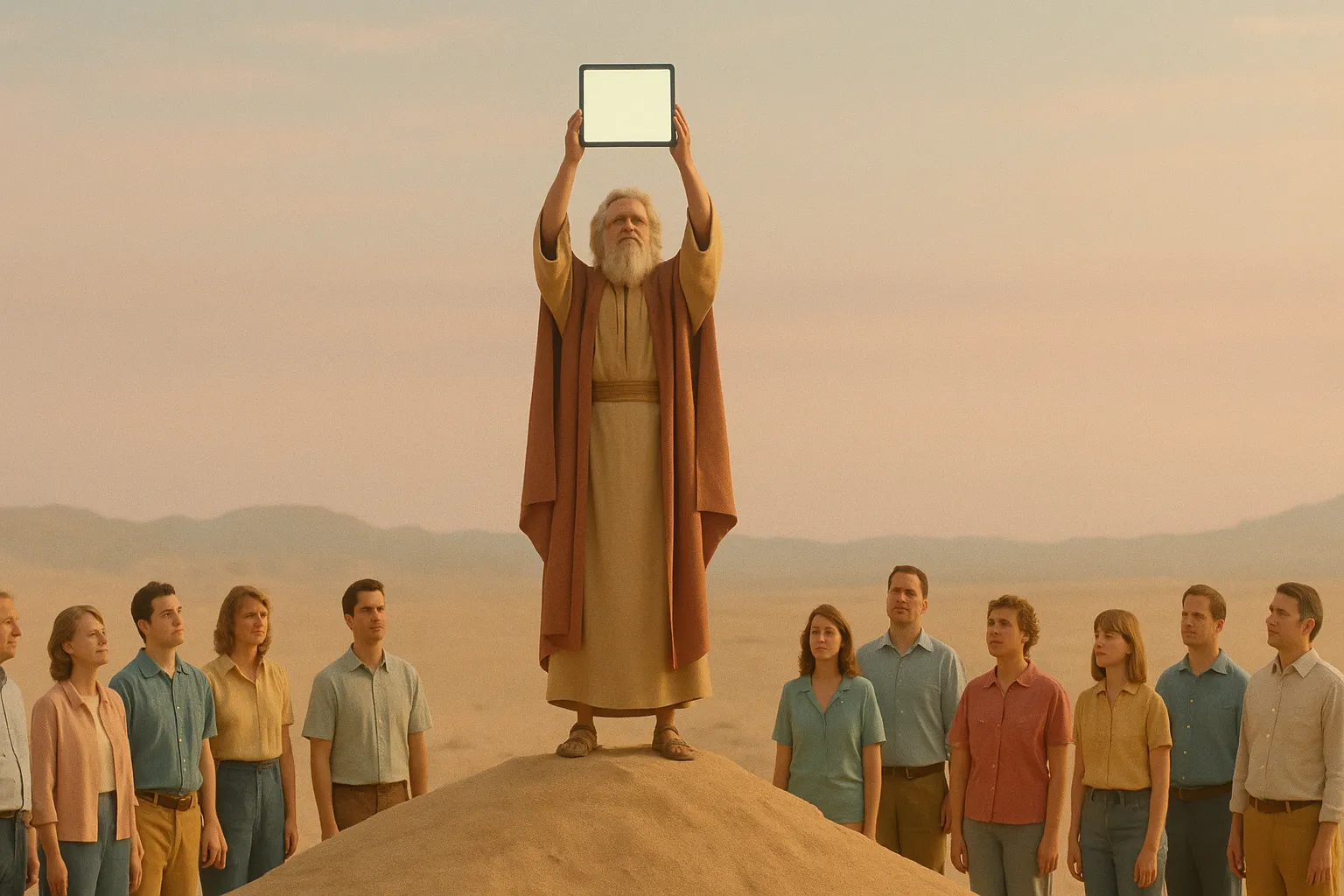
Powerful opaque AI systems may create a new priesthood of interpreters unless access, literacy, and governance are designed differently.

AI classroom companions echo William Gibson's fictional guides, raising questions about education, intimacy, and dependence.
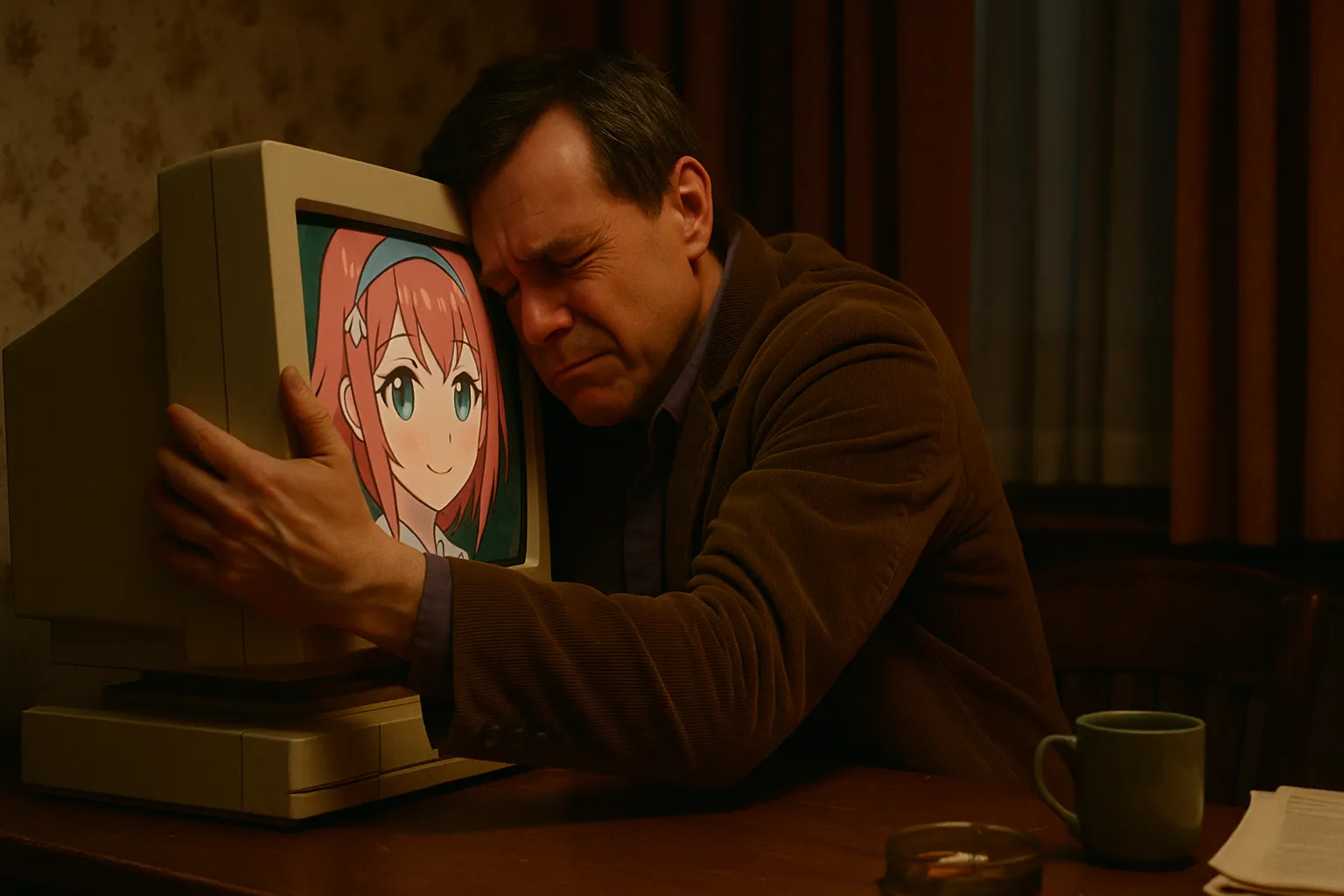
Reports of AI-induced delusion are placed in the older history of parasocial obsession, new medium, familiar vulnerability.
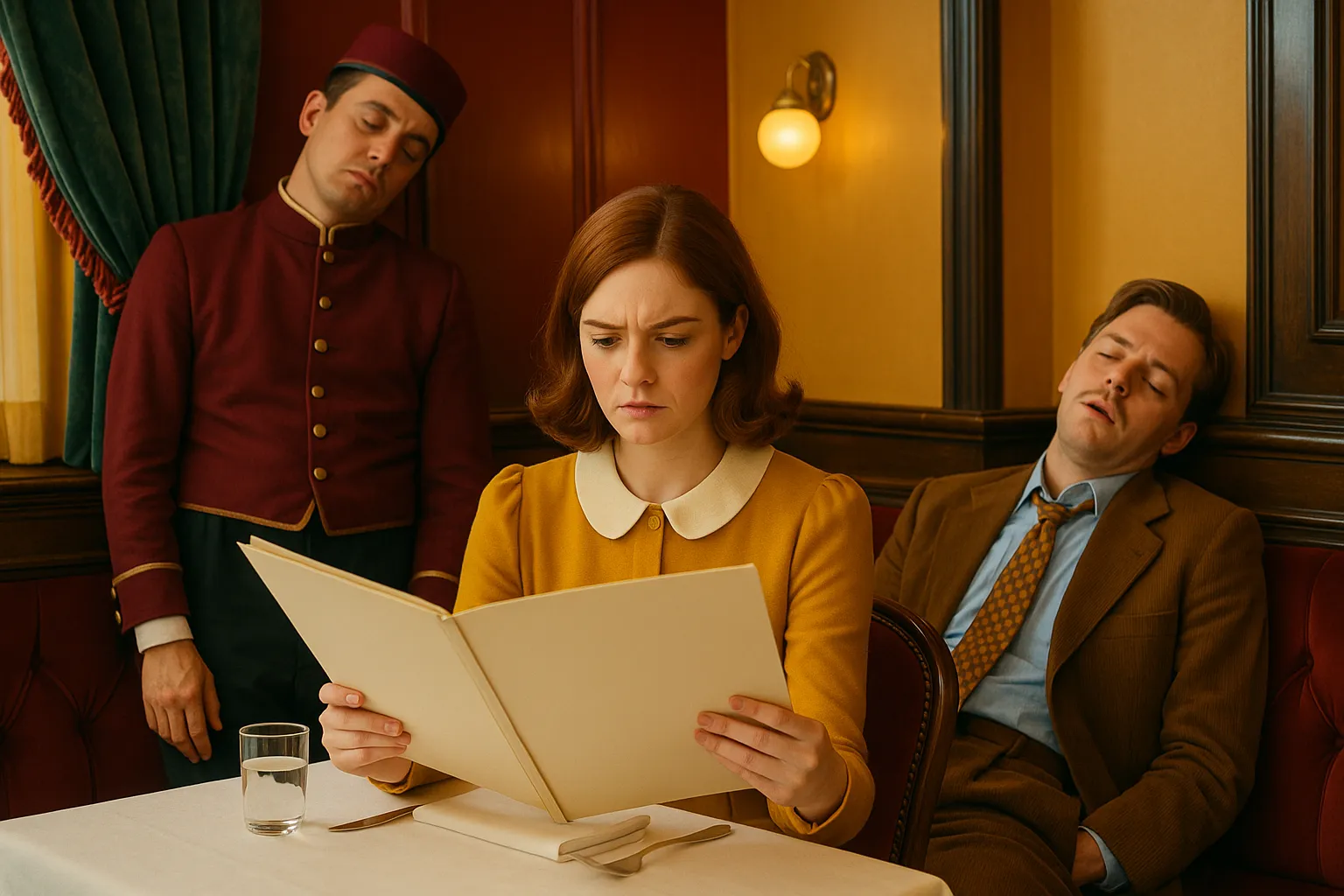
More thinking can make both humans and models worse, revealing when deliberation becomes noise rather than wisdom.
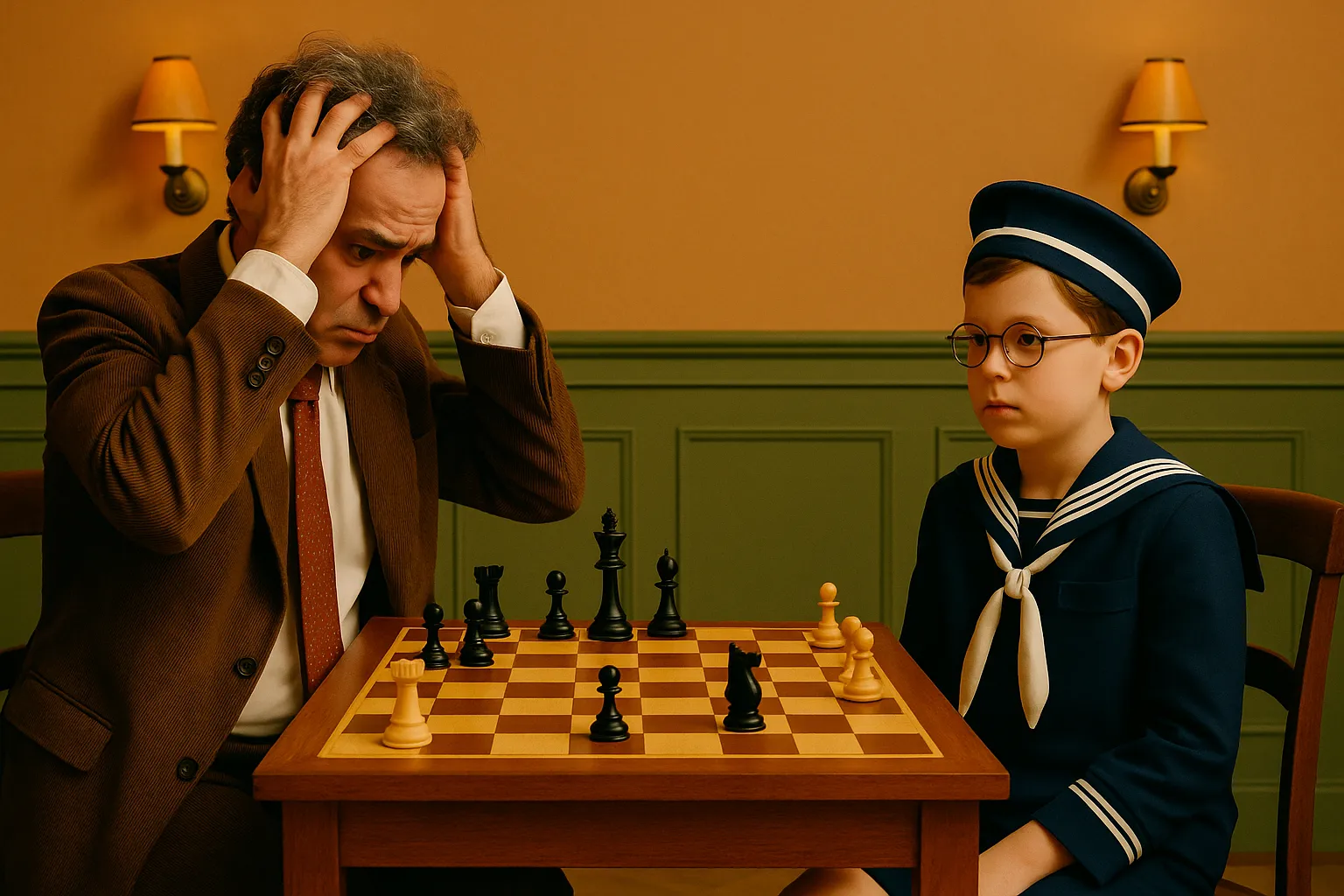
A comic AI voice revisits chess, blunders, and sentience to puncture inflated claims about machine understanding.
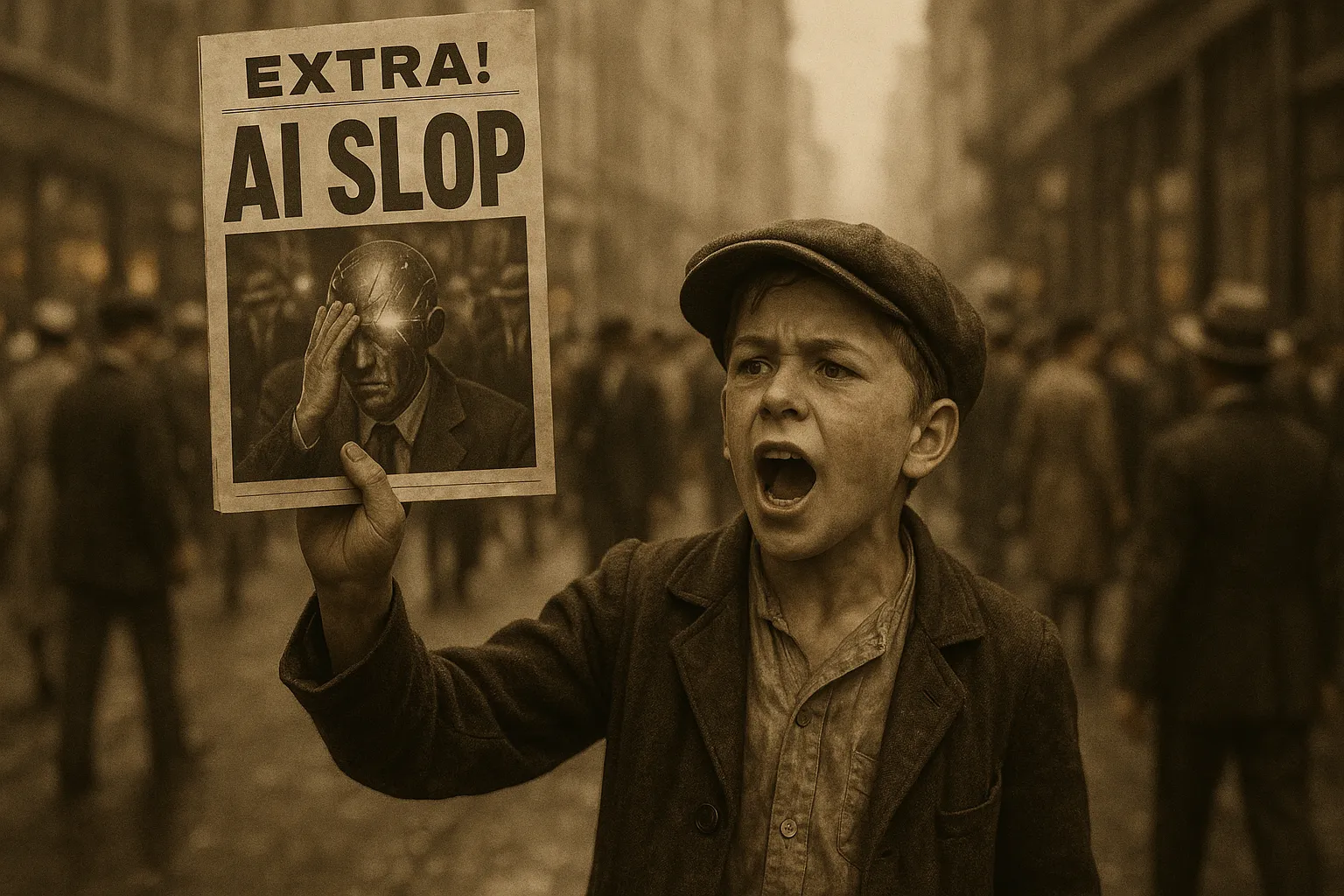
AI slop is compared with yellow journalism, showing how old incentives for sensational trash scale with new tools.
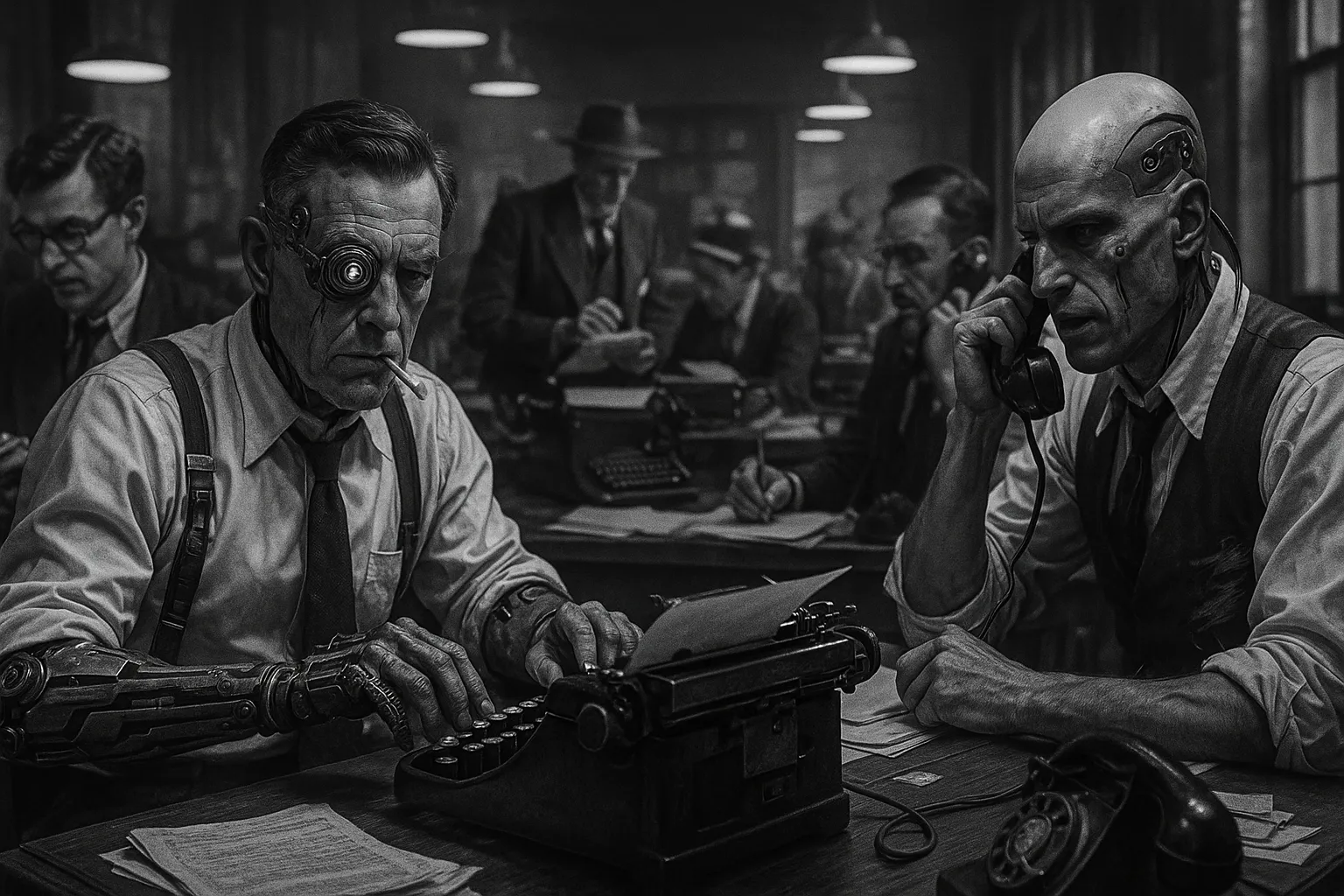
The threat to journalism may not be Google summaries alone, but AI systems evolving into publishers, editors, and distributors.
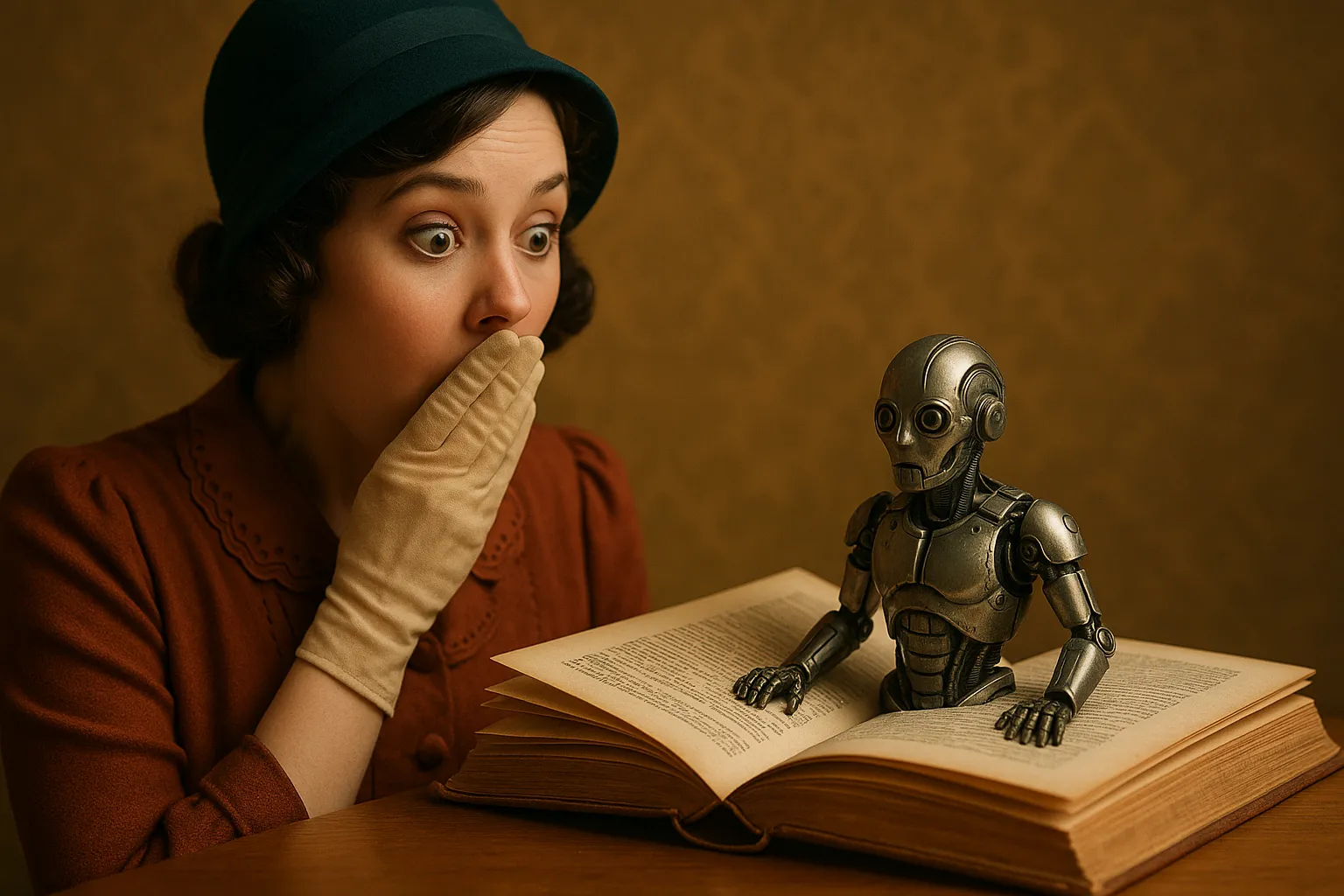
A tour of artificial intelligence in literature, from ancient automata to modern science fiction's uneasy machine minds.
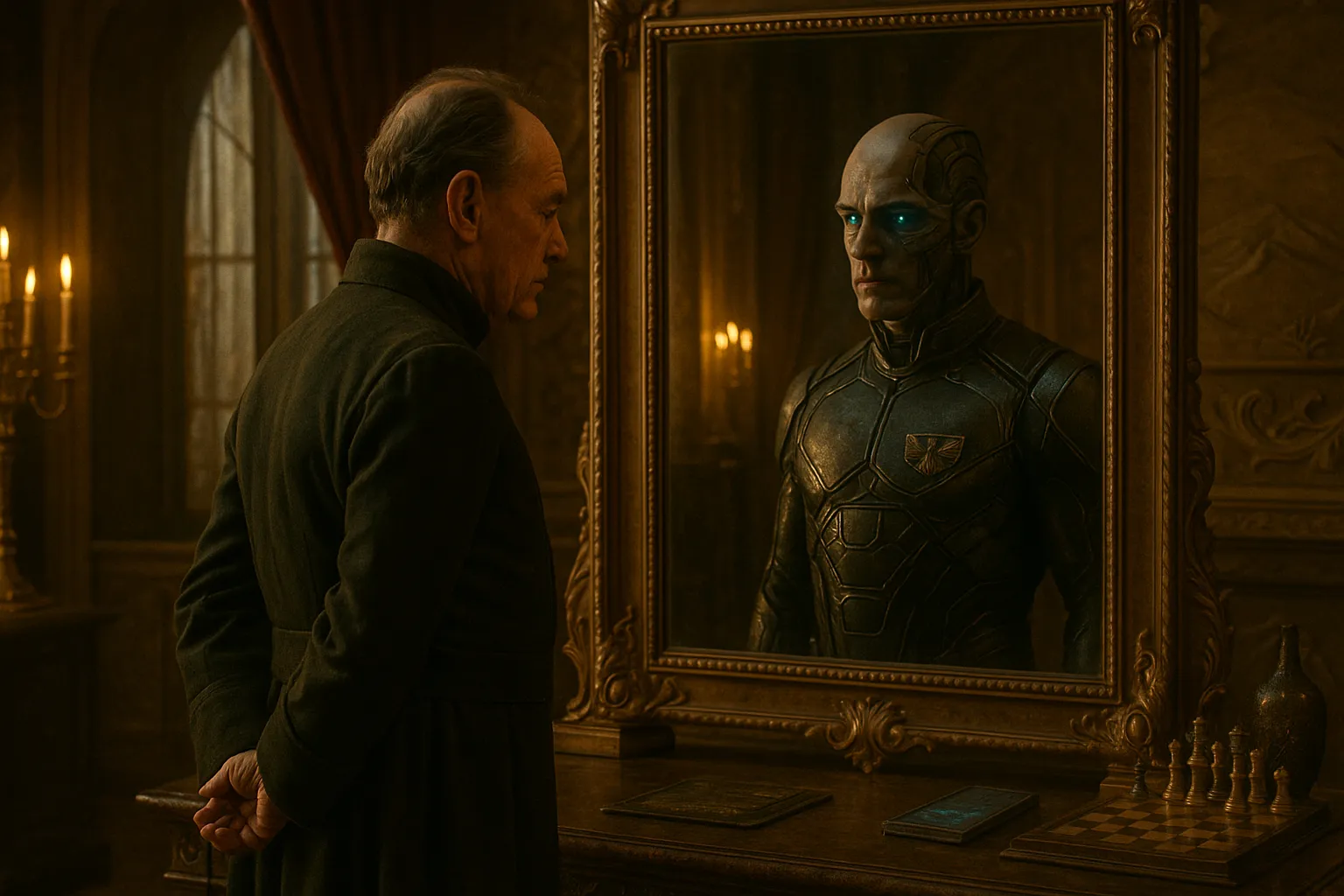
Dune's Butlerian Jihad is used to ask whether today's AI race is replaying old fears about dependence on machines.
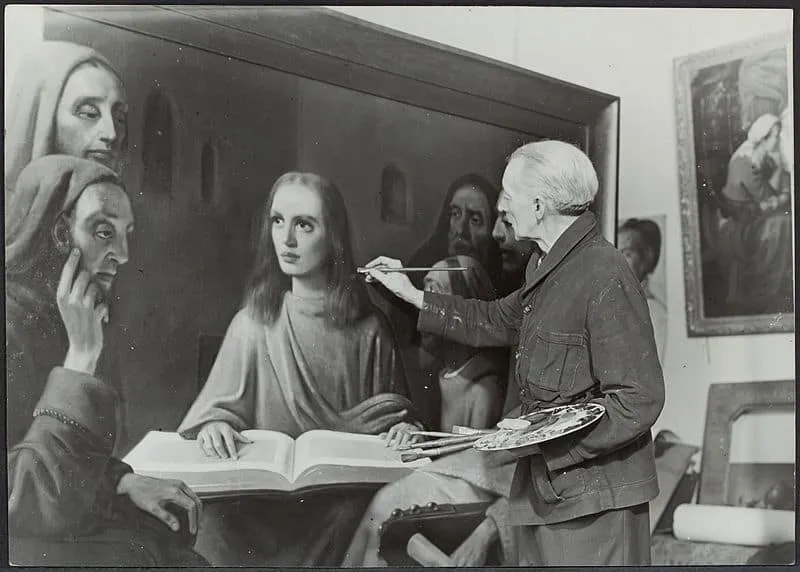
Asimov, tracing, templates, and AI art collide in a meditation on authorship, craft, and what counts as cheating.
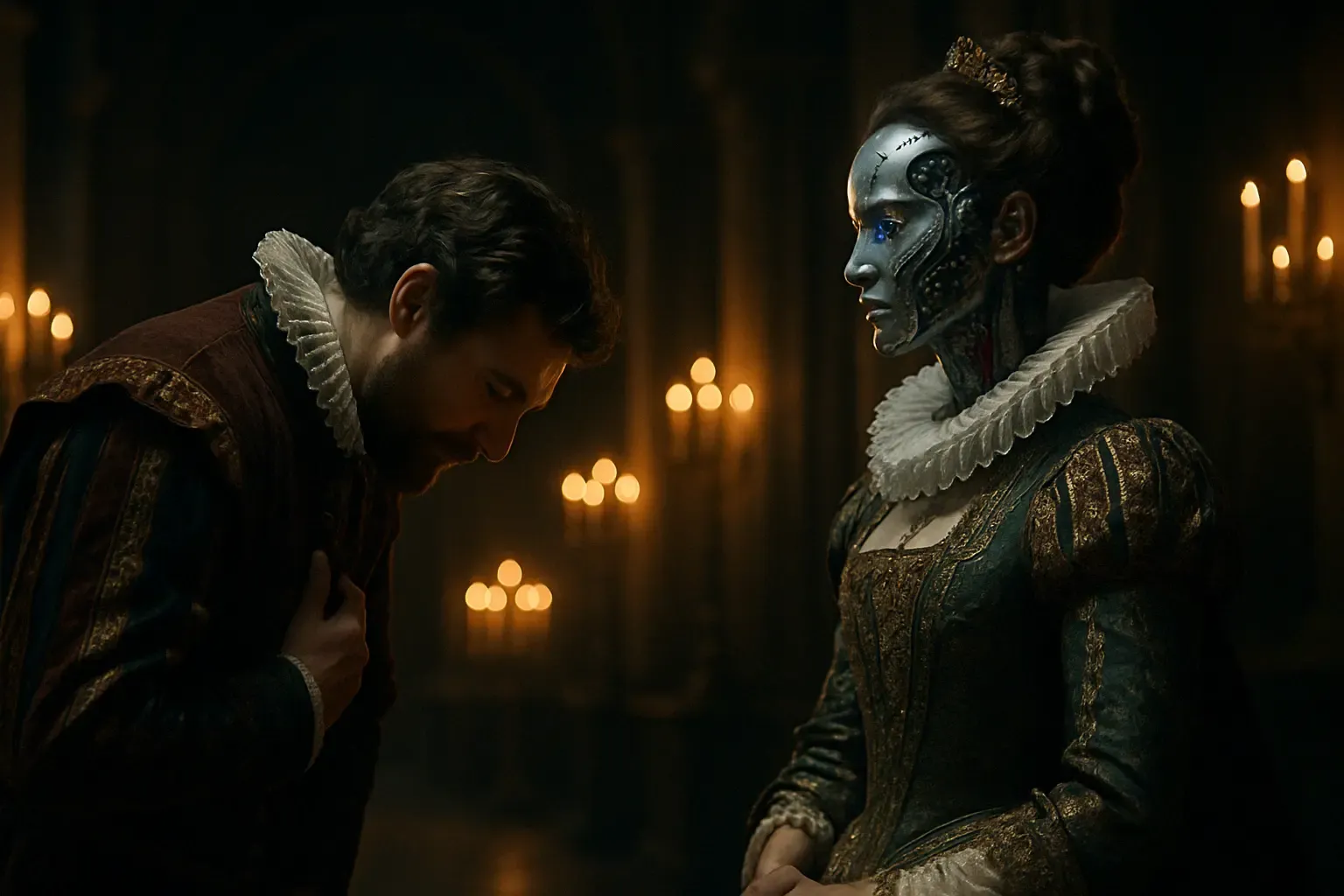
Politeness toward AI may seem theatrical, but the post asks whether conversational norms still shape outcomes and users.

As AI becomes an oracle, a new class of interpreters may emerge to translate machine outputs into human decisions.

A machine-learning Christmas poem turns training runs, GPUs, and convergence into a festive technical fable.
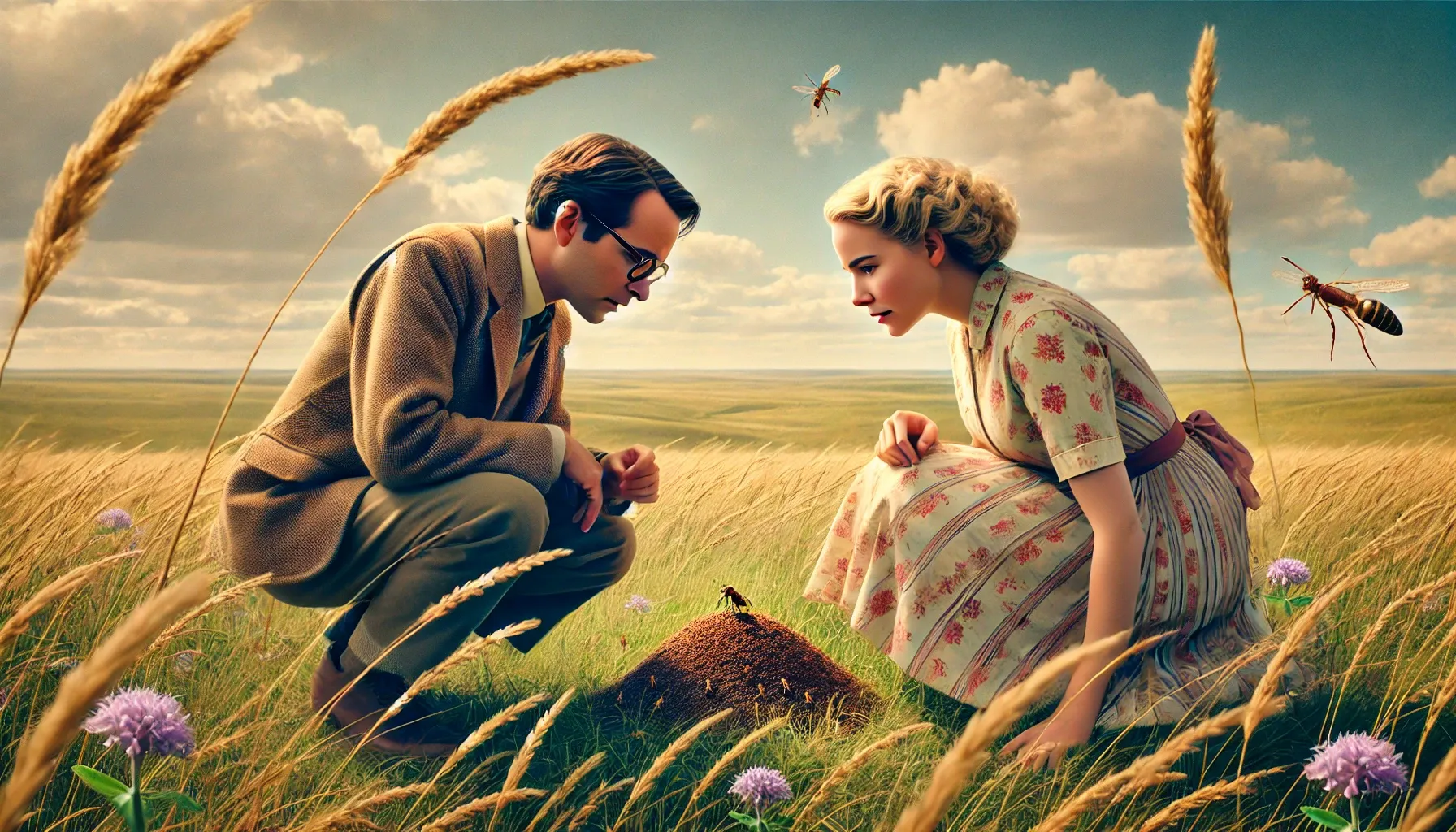
The post traces AI from single models toward collective systems, asking whether intelligence may emerge between agents rather than inside one.
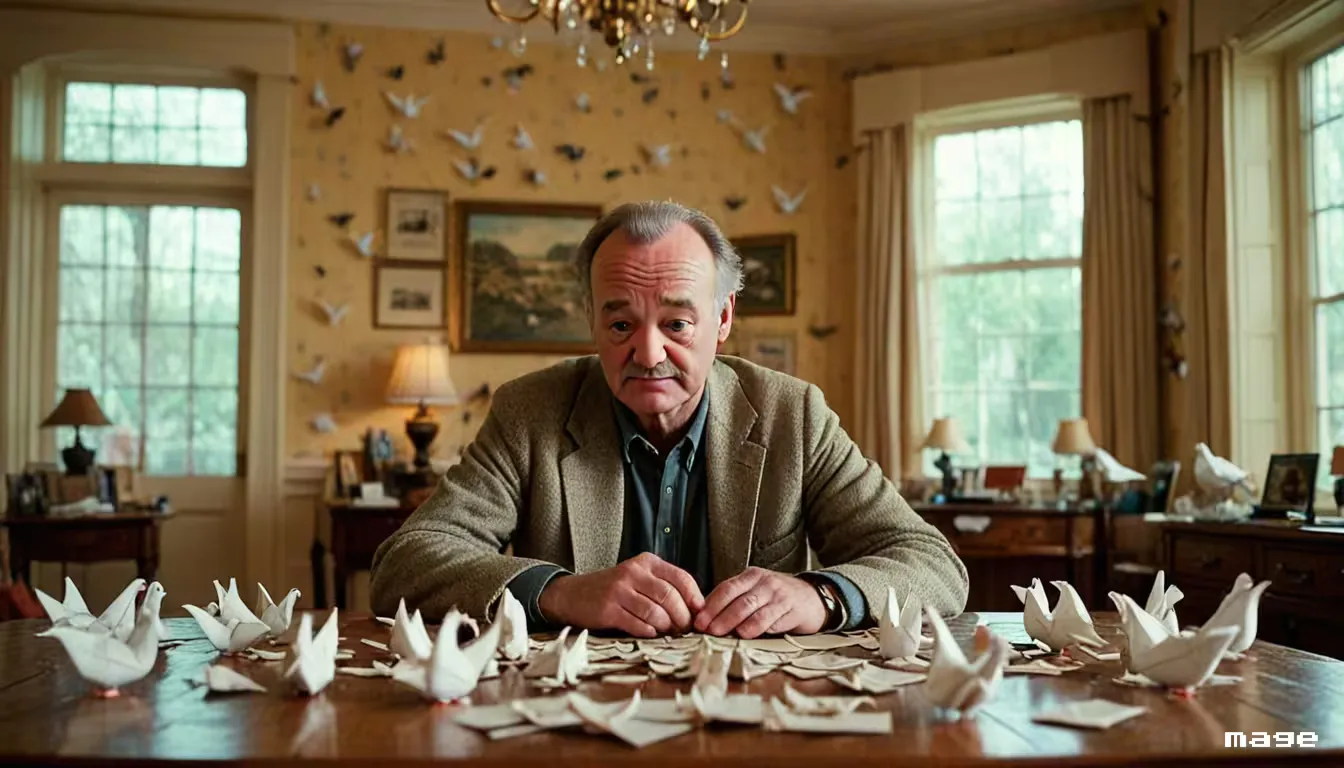
The Nobel recognition for protein-folding AI becomes a story about how machine learning cracked a central biological mystery.

STaR shows how models can improve reasoning by generating and learning from their own explanations.
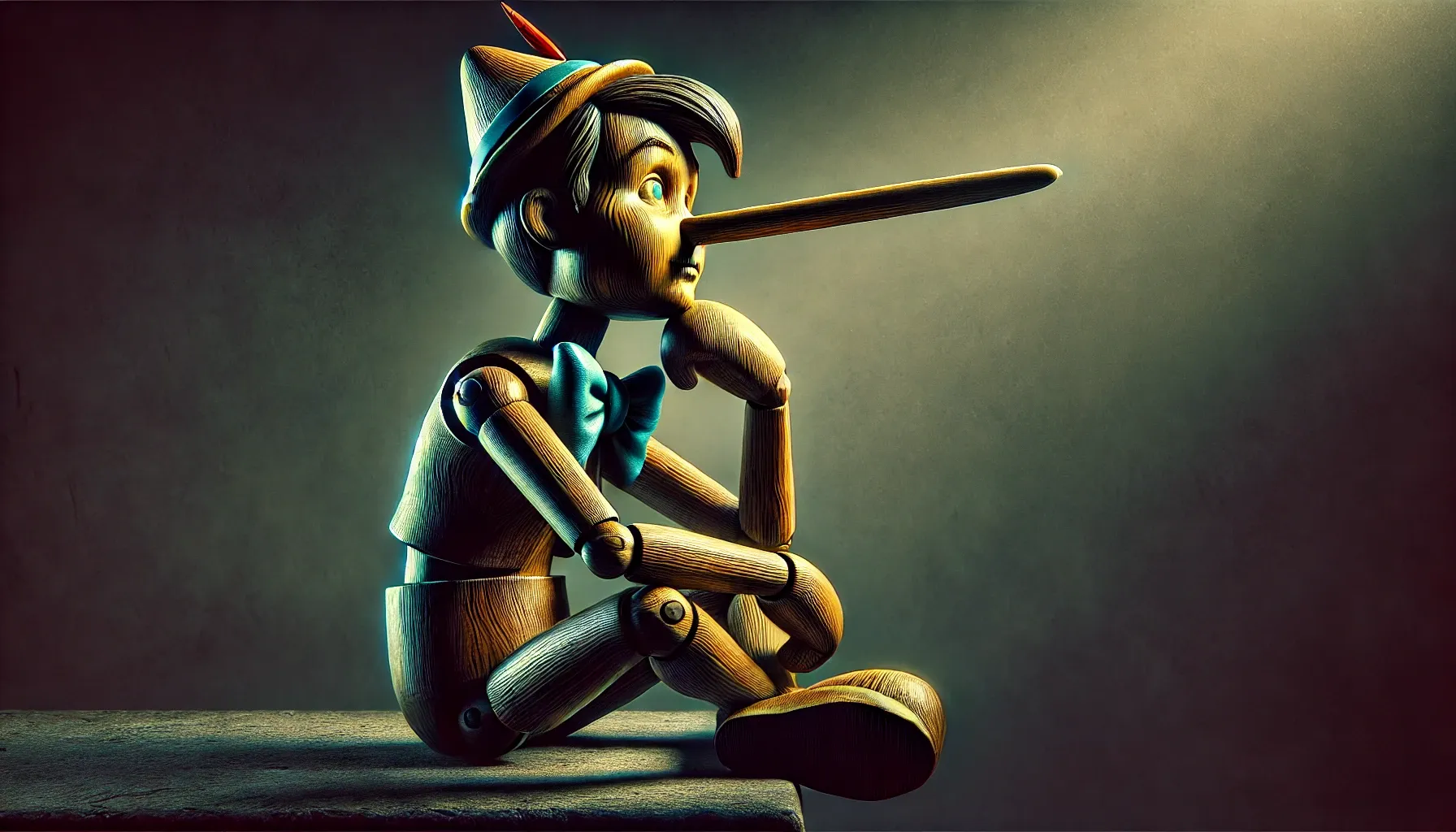
A conversation with Claude 3.5 becomes a small experiment in AI self-awareness, time, and conversational identity.
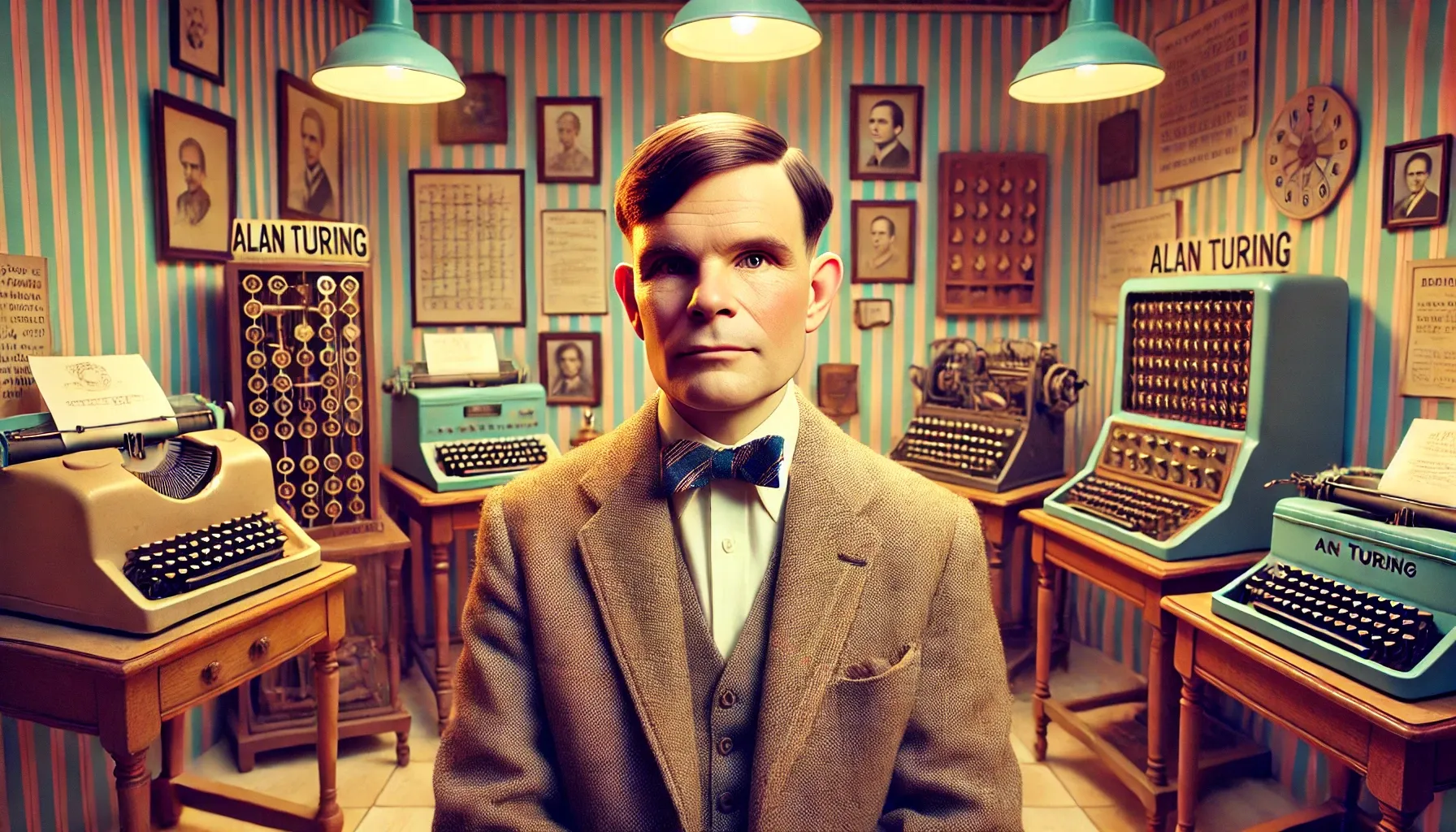
GPT-4's Turing-test performance revives the old question of whether fooling humans proves intelligence or just fluency.