
The New Plumbing of AI: MCP, OKF, and the Battle for Context
AI is entering its plumbing phase: MCP connects agents to tools; OKF packages human-readable knowledge for machines. Context becomes infrastructure.
14posts
AI is entering its plumbing phase: MCP connects agents to tools; OKF packages human-readable knowledge for machines. Context becomes infrastructure.

Germany wants to inspect an AI future it cannot build — while even Apple’s new AI features get stuck in Europe’s regulatory fog.
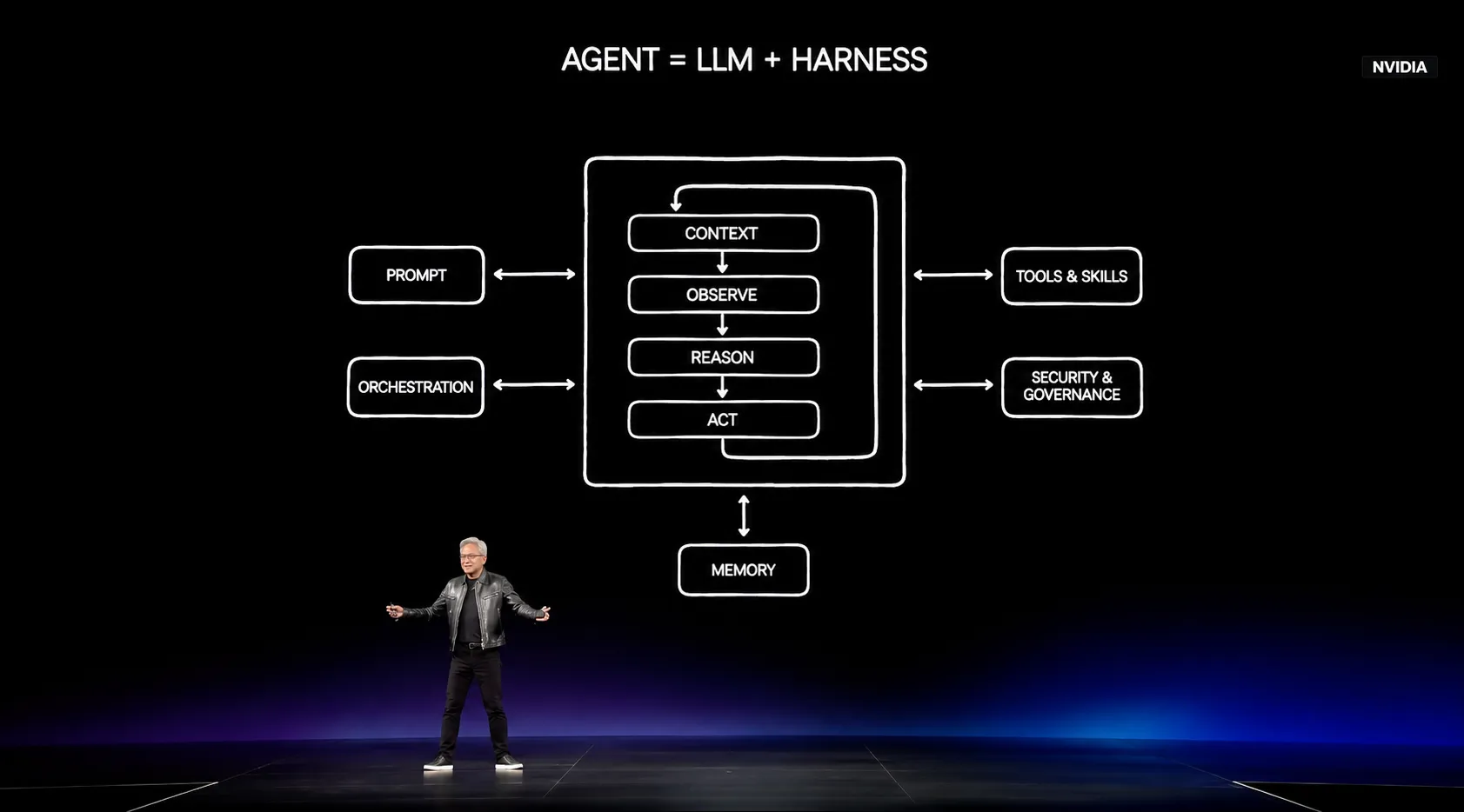
AI agents are no longer just smarter models. The real product is the harness that gives them context, memory, tools, and control.

OpenAI's ChatGPT Library shows how small product features can become infrastructure, and why European regulation may again punish practical usefulness.

Apple Silicon's reverse-engineered Neural Engine revives the old personal-computing spirit of manuals, memory maps, and productive trespass.

Prompting is outgrowing folklore and becoming infrastructure: specifications, patterns, evaluation, and operational discipline.

xAI's Colossus 2 announcement is less about one data center than about the escalating geopolitics and economics of compute.

The desert data center in Transcendence now looks less like symbolism and more like a blueprint for hyperscale AI geography.
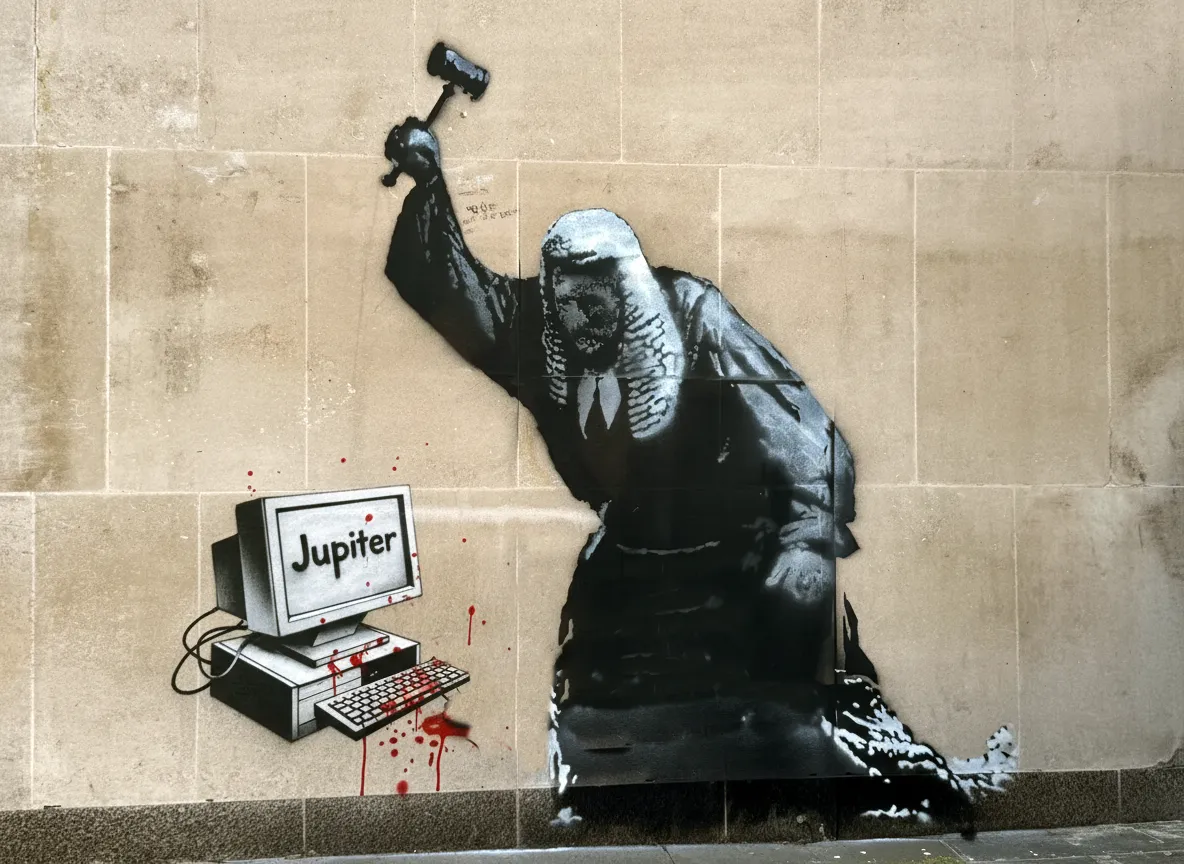
Europe's Jupiter supercomputer is impressive, but the post asks whether regulation and dependency will blunt its strategic value.

Powerful opaque AI systems may create a new priesthood of interpreters unless access, literacy, and governance are designed differently.

From Cray supercomputers to Mac Studio clusters, the post traces the strange continuity of DIY AI horsepower.

Project Strawberry and the physical weight of the internet meet in a playful reflection on knowledge, storage, and scale.
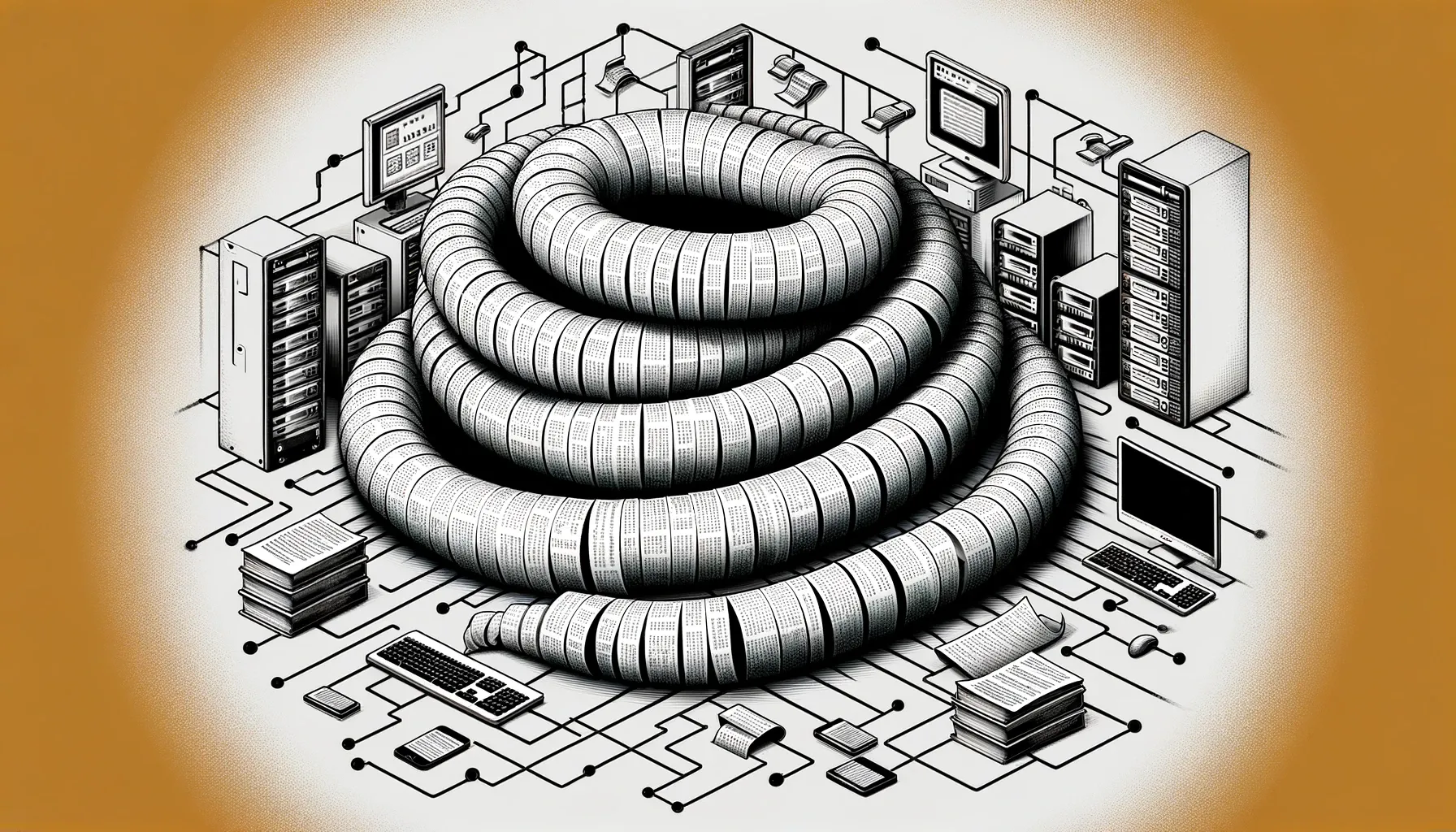
Computer viruses evolve into the GenAI era, where malicious behavior may target prompts, agents, and model ecosystems.

Two perspectives on LLM interaction reveal how user behavior and model dynamics shape each other in unexpected ways.